
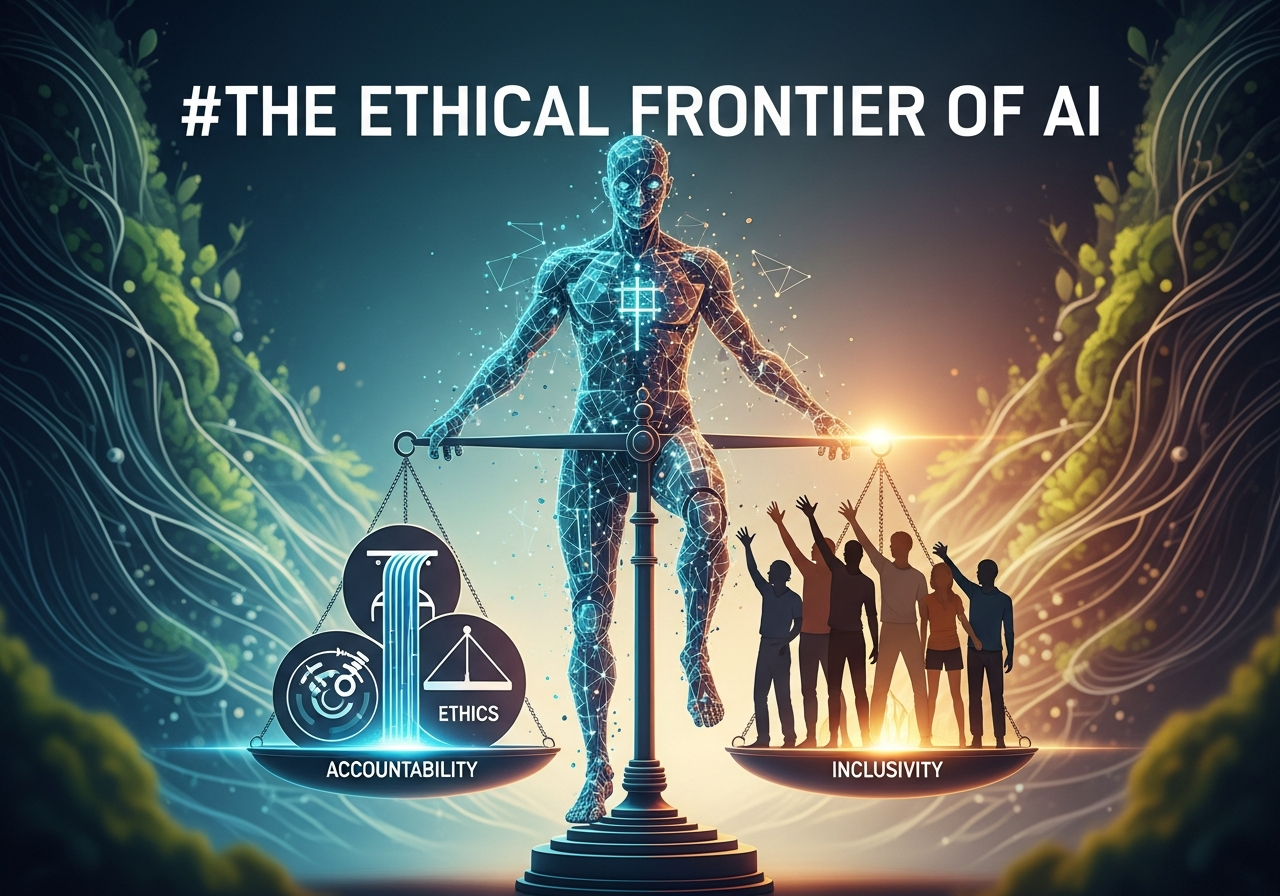

In today’s world, where algorithms are evolving from simple math equations to the overlords of our digital reality, the stakes of artificial intelligence (AI) are mind-blowing. Every swipe, chatbot conversation, and personalized recommendation unknowingly drags us into a maze of ethical dilemmas that won’t just go away with a dismissive shrug. Think about AI as more than just a shiny tech marvel — it’s a significant player in crucial areas like healthcare, law enforcement, and education, each brimming with ethical conundrums that carry the weight to alter lives profoundly. When these systems, supposedly unbiased, get a touch of prejudice sprinkled in, and accountability plays hide-and-seek behind layers of code, our bond with AI turns from blind faith into a game of watchful hawk-eyeing.
The growing blend of technology and ethics isn’t just a fleeting fad; it’s an essential shift raising some provocative questions: Who’s wearing the cloak of responsibility when AI flubs up? How do you maintain fairness in a data-dependent ecosystem? This piece dives into a cerebral journey through AI ethics, prompting you to wade through the murky waters of accountability and transparency, where your choices can singlehandedly lift—or unravel—the very societal fabric we rely on. Brace yourself to tackle the challenges, conflicts, and opportunities at the ethical AI frontier. Ready to flip the script and rewrite the story of innovation? Your trek into AI’s ethical wilderness begins now. And trust us, this chat is as gripping as it gets.
As we delve deeper into this tech-ethics mashup, the questions keep piling on. How do we sort the AI wheat from the chaff — the beneficial innovations from those simply causing harm? With machines steadily creeping into the driver’s seat of major life decisions, grappling with their actions’ implications becomes a must. Enter biased algorithms, and enter stage right: amplified prejudices disproportionately hitting marginalized groups and dishing out unfair results. Take predictive policing in the criminal justice world, for example. This tech can blow up racial profiling, targeting communities based on shaky data rather than real crime stats — an ominous tale underscoring why ethical thinking in AI design is non-negotiable.
The key to AI ethics? A commitment to inclusivity. Because sneaky biases don’t just lurk inside algorithms; they can seep in from the teams coding them up. A diverse development team can toss a wrench in monocultural views, enriching AI systems with fresh perspectives. Industry peeps are catching on that ethics should be sewn into AI’s very DNA, not slapped on as an afterthought. Bringing in ethical review boards—featuring ethicists, community reps, and industry savants—could act as a crucial touchstone, making sure varied voices echo in AI creation and roll-out.
Responsibility is the big fish in the AI ethics pond. Who’s catching heat when AI screws up? Handing over trust in human judgment for algorithmic decisions can risk skirting responsibility. If AI drops the ball and harm follows— say, a misdiagnosis or wrongful arrest—the fallout can be wild. So, where do we carve out accountability in a tech landscape where machines fly solo?
Organizations need to champion transparency, ripping the veil off their decision-making antics. Clear communication on data collection, storage, and use is a must to fight the skepticism washing in from algorithm-driven choices. When folks can peek under the hood of AI systems, they can engage more critically and keep tech companies on their toes. Plus, transparency doesn’t just build user trust; it also helps developers sniff out and tackle systemic biases.
Faced with these ethical puzzles, the mission shifts from merely deciphering what AI *can* do to pinning down what it *should* do. Groups should pledge allegiance to human-centric designs, ensuring technology doesn’t just fatten wallets but elevates the human experience. AI should be our ally, augmenting our abilities and safeguarding our rights and freedoms, not replacing us. This ethical pivot necessitates a culture of respect, where AI creators recognize their influential role.
Sure, the challenge is monstrous, but it’s far from unbeatable. As members of this society—be it corporate giants, governments, or the average Jane Doe—we can band together to demand policies that stitch ethical frameworks into AI use. This includes adhering to laws steering ethical AI application, aligning with principles guaranteeing privacy, security, and fairness. Policies can be critical in curbing bias and ensuring accountability, acting as a trusty shield against prospective power misuse.
Navigating this tangled ethical landscape requires remembering that technology’s course isn’t set in stone. It’s sculpted by the choices we make today and the values we champion as a society. As AI charges ahead, we’ve got the chance to flip the tech dialogue from doom and gloom to one of trust, openness, and collaboration. It demands guts to ask the tough questions and a readiness to disturb our complacency in the face of innovation.
The road ahead for AI ethics is not just about sticking to existing handbooks but crafting fresh paradigms reflecting our shared values. This journey calls for active involvement and sharp vigilance on all fronts since sweeping change won’t pop up overnight. Education and awareness are pivotal; stakeholders must be clued in on their roles and jobs, arming themselves to critique and refine AI systems.
As we wrap up this dive into AI ethics, staying involved and informed is crucial. The path will be strewn with challenges, but also glittering with opportunities for growth and enhancement. Embracing the intricate dance of responsibility, bias correction, and accountability will shape a more just AI ecosystem and pave the way for everyone to benefit from tech wonders without the specter of inequality or harm.
In a world increasingly run by algorithms and AI, our moment has arrived to channel our collective ethics into meaningful moves. The stakes haven’t been higher, and as AI’s custodians, it’s on us to ensure this tool champions humanity’s most remarkable interests. Let this be the spark for transformation, setting the stage for an enduring commitment to ethical fortitude in the AI age.
Looking to unravel these complexities and stand tall for ethical AI practices? Check out [Firebringer AI](https://firebringerai.com) for more boisterous insights.