

Picture this: a universe where information pulses through every corner, where each quantum bit—or qubit—isn’t limited to a simple on/off state but dances across a multitude of possibilities. In this realm, our understanding of reality stretches to encompass a wider array of outcomes. In Quantum Information Theory, coherence breathes life into these qubits, playing a vital role in preserving and processing information in ways that traditional systems can’t quite match. It’s like the difference between a black-and-white photograph and a living, breathing panorama.
Consider coherence as the binding force keeping these qubits synchronized, allowing them to form relationships that multiply their potential to handle data in complex ways. When coherence is lost, qubits become like isolated islands. Maintain it, and they perform a graceful dance, intertwined and enriched, operating beyond the capability of classical bits. This is the essence of what coherence offers: a smarter, faster, and more robust way of handling information.
So, how does coherence achieve this? Imagine trying to hear a symphony in a noisy room; coherence tunes out the noise, ensuring that harmonies are preserved. In practical terms, it allows for interventions in computing that take mere moments compared to what classical systems might take years to process. It’s the fundamental difference between threading a maze on the ground versus flying overhead, seeing all paths at once.
The practical applications of leveraging coherence in quantum systems could change how we think about and interact with technology. From secure communication channels—unbreakable under current paradigms—to computing capabilities that revolutionize what is possible in research and development, quantum systems open up unprecedented possibilities.
But coherence isn’t self-sustaining. It’s more like tending a garden—requiring careful cultivation to maintain over time. Interactions between qubits, environmental factors, and deliberate arrangements all contribute to sustaining this coherence. And in this lies the challenge and the promise: harnessing coherence effectively may lead us to breakthroughs we’re only beginning to imagine.
As we explore these dimensions, the implications ripple outward. Quantum Information Theory encourages us to rethink how we approach computing, security, and data transmission. By fully embracing coherence, we not only advance technologically but also begin to deepen and transform our understanding of reality itself.
Standing at this threshold, we’re posed with the question: what more can we achieve when information is both a resource and a pathway to a deeper comprehension of existence? By focusing on coherence, we step into an era of promising advancements and the unraveling of mysteries that stretch beyond the confines of what we currently know.
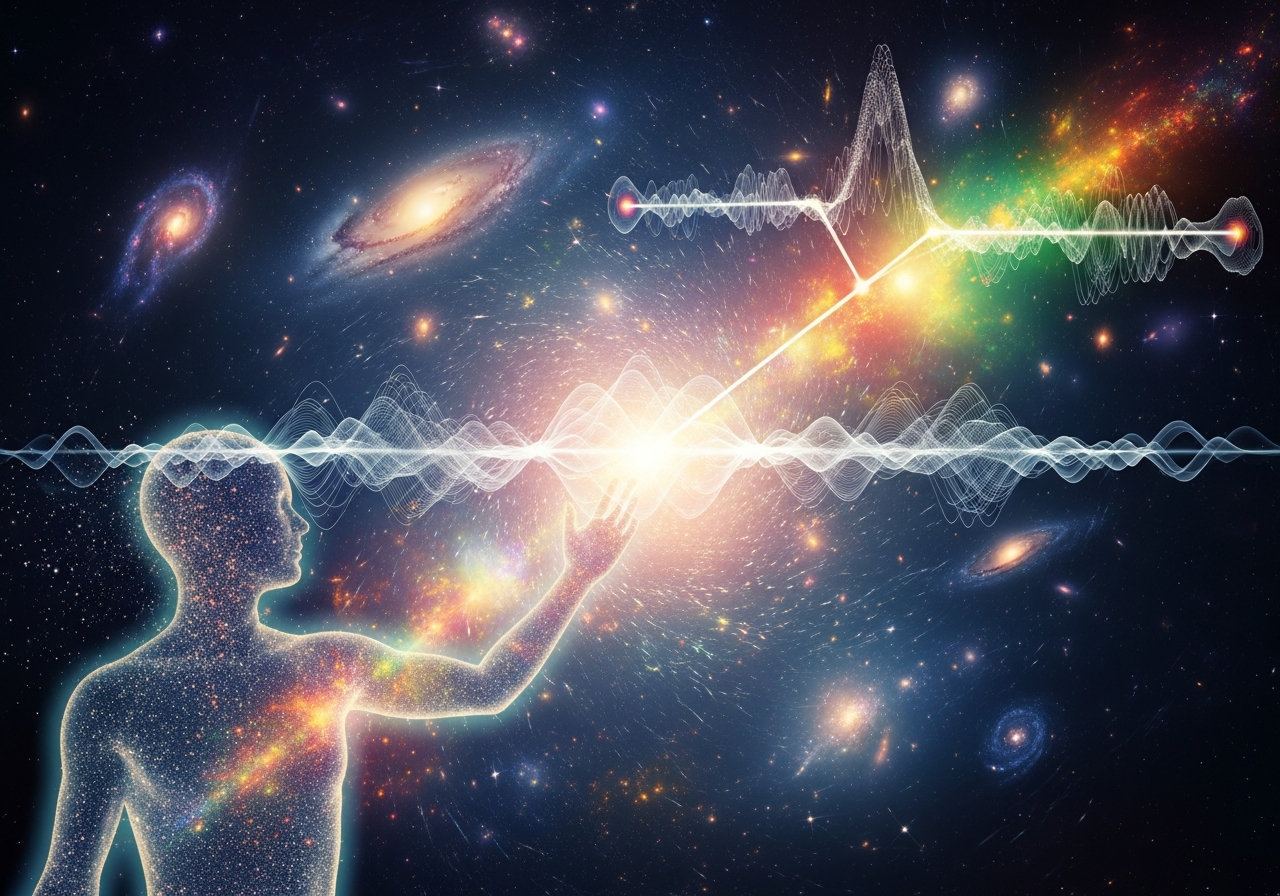
In exploring the quantum realm, we realize that we are more than passive observers—we are participants, gradually weaving new threads into the fabric of our understanding. As we delve into this captivating field, the journey continues, inviting us to actively shape the insights and technologies of tomorrow.
For further exploration, and to continue your journey into the ever-evolving landscape of quantum possibilities, feel free to visit us.