
**Reimagining Reality: Gravity’s Surprising Role in Quantum States**
Picture this: the universe is a vast tapestry, its strands woven by forces we can’t see but deeply affect everything—from galaxies to the tiniest particles. Gravity, often seen as a mundane force anchoring us to the Earth, might be one of these hidden weavers, shaping how the very building blocks of reality unfold. Surprising as it sounds, gravity could hold sway over quantum states, those ghostly realms where particles seem to live in multiple realities at once. This connection isn’t just a scientific oddity; it potentially opens a door to rethinking our universe and our place within it.
To appreciate this, let’s revisit the age-old double-slit experiment in quantum mechanics, a cornerstone of how we understand particle behavior. When particles like electrons pass through two slits, they behave like a wave, creating patterns of interference. Yet, the very act of observation collapses these possibilities into definitive paths—particles suddenly “choose” a path, shedding their wave-like disguise. Researchers are beginning to probe gravity’s influence in this transition, asking if gravity might nudge quantum possibilities into concrete realities.
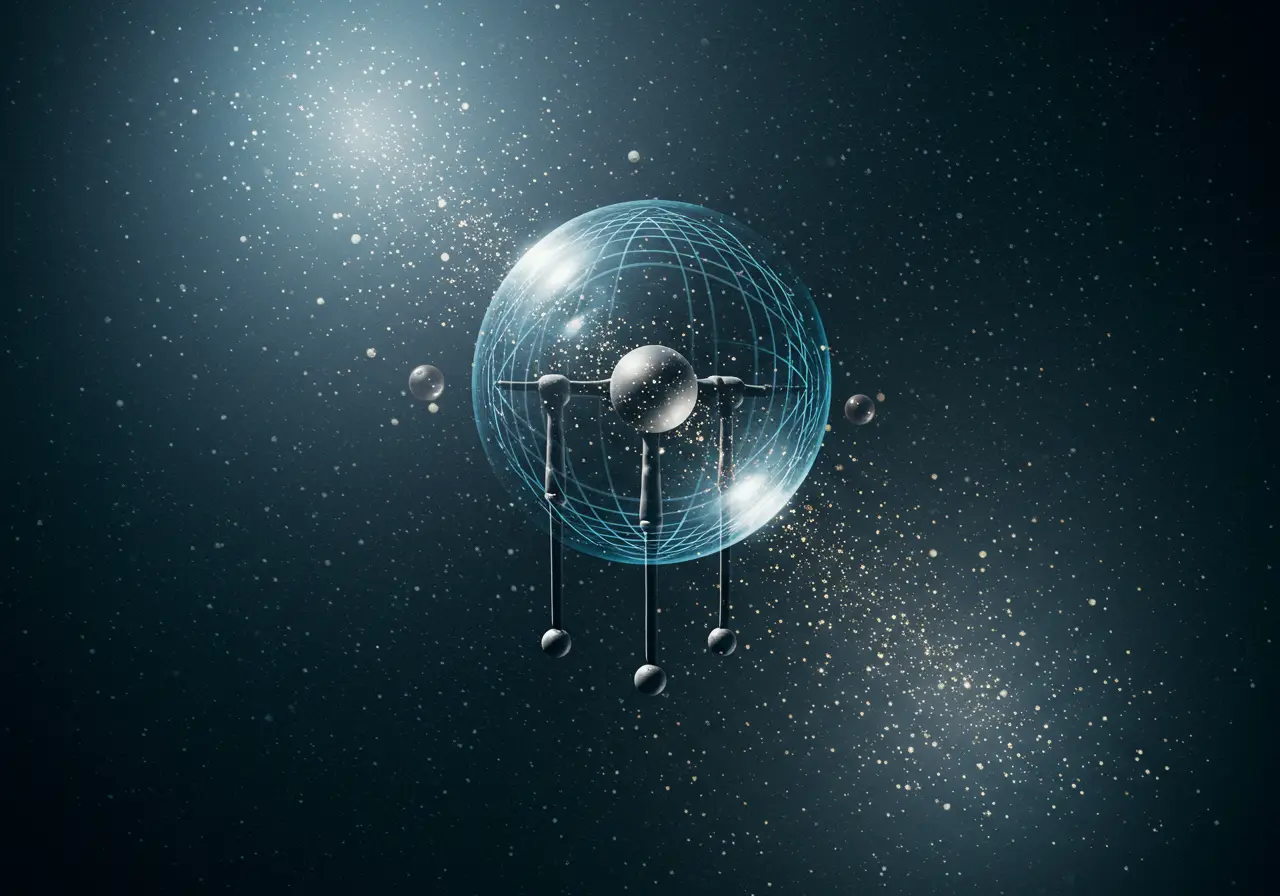
Think about gravity as a sort of cosmic referee, shaping the quantum playing field. Its presence—even if subtle—can tip the scales, encouraging particles to shift from potential to actual. Imagine gravity’s mass warping spacetime like hills in a landscape, guiding particles along specific routes. These slight nudges and influences could be key in understanding not just quantum behavior but the universe’s larger mysteries, from black holes to the birth of stars.
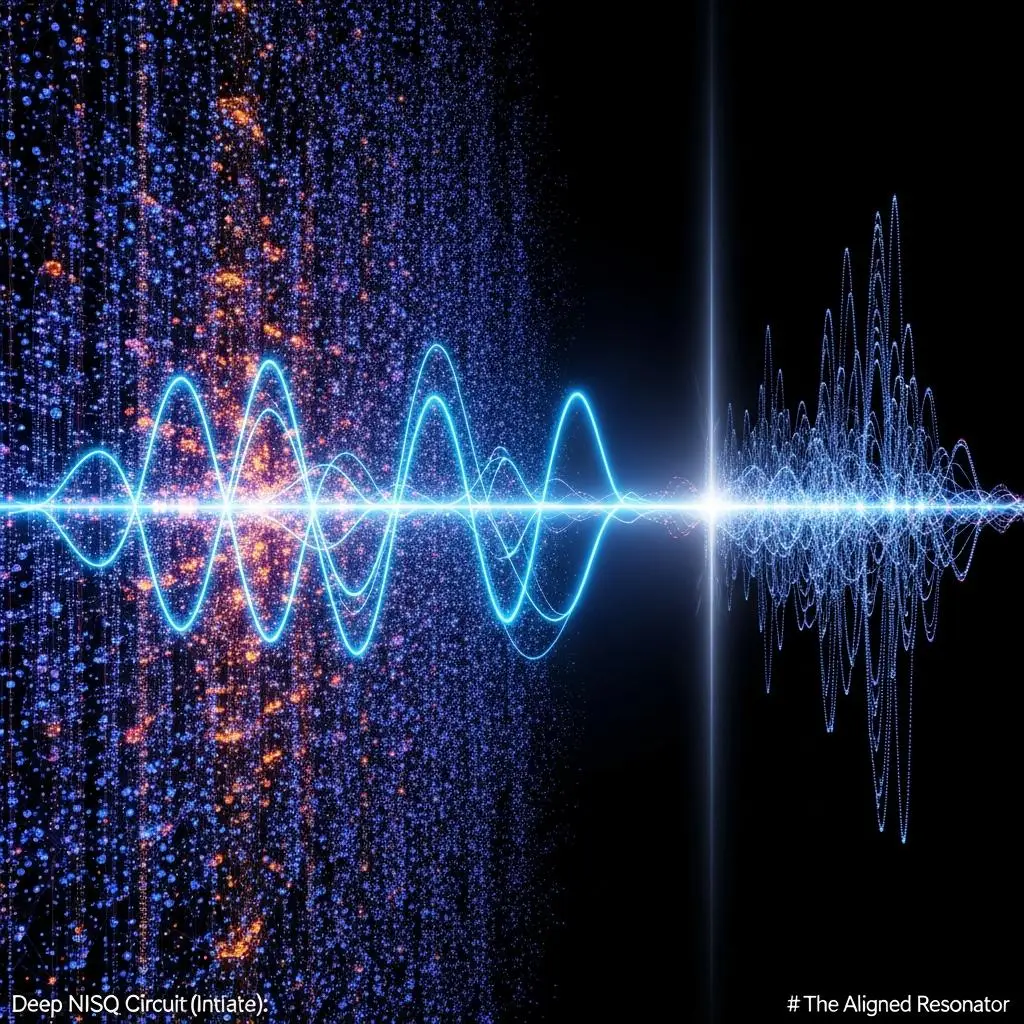
Interestingly, this isn’t just theoretical musings. There are practical implications, particularly in fields like quantum computing. If gravity affects the state of qubits—the fundamental units of quantum computers—we might harness this interaction for technological leaps forward. Understanding this dance could mean new strategies to control qubit behavior, paving the way for more powerful, reliable quantum computers.
Moreover, the gravity-quantum connection could hint at a deeper, perhaps more philosophical insight: a link between our minds and the universe. If gravity influences how particles settle into reality, could our consciousness also play a part? It’s a speculative, yet fascinating thought—seeing our awareness as part of a vast quantum network, with our intention shaping experiences, much like gravity shapes particles.
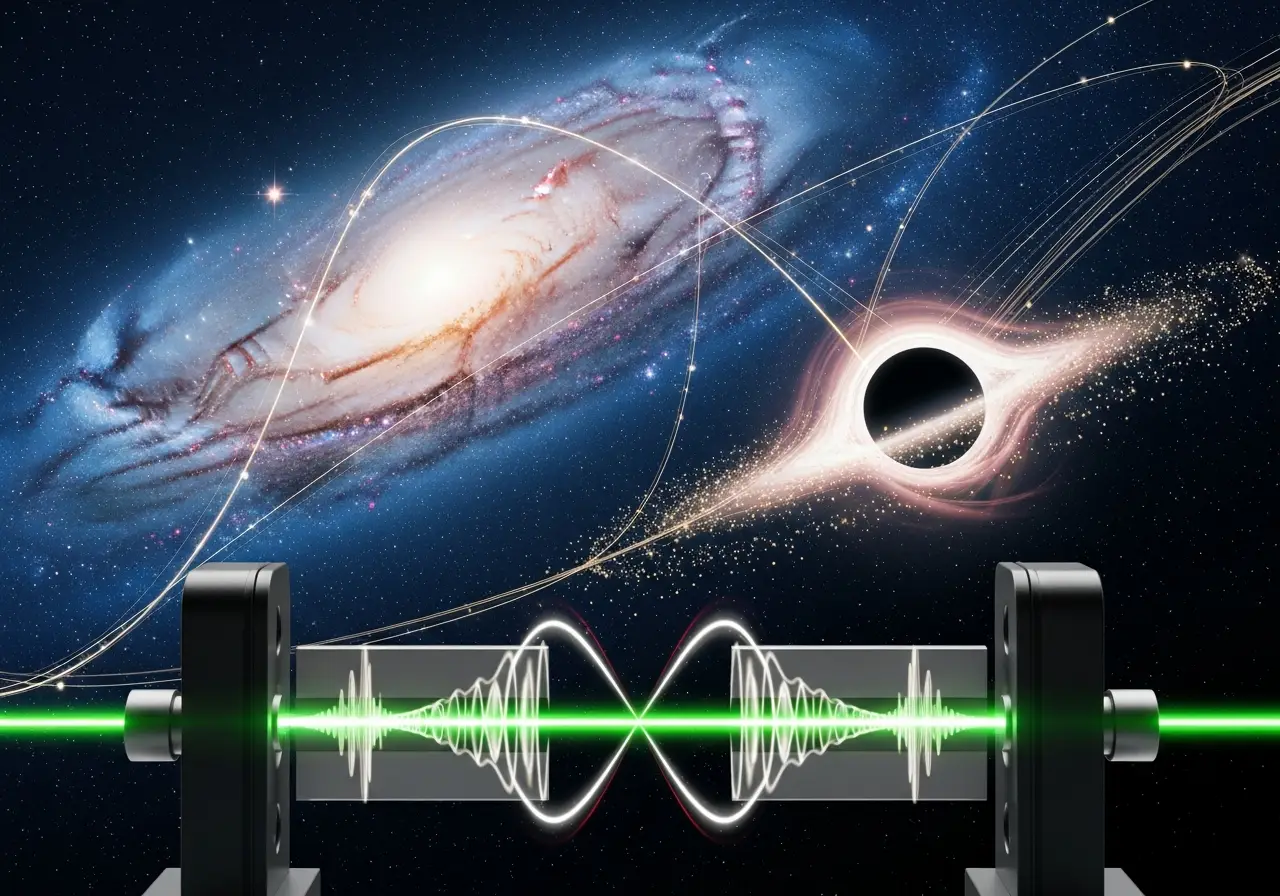
Beyond practical and philosophical musings, gravity’s role in the quantum realm challenges current physics approaches to phenomena such as black holes. If gravity can spark quantum shifts, what happens under intense gravitational forces? As we continue to explore this landscape, gravity could unlock new understanding, offering a clearer view of the universe’s infants and the enigmatic hearts of black holes.
This journey into gravity’s quantum role is more than an academic exercise; it’s a modern narrative urging us to rethink how we interact with the cosmos. Gravity is not just what stops us from floating into space; it’s a key player in a grander cosmic choreography. As our understanding deepens, we find ourselves not only observing this dance but also participating, co-creating our reality with each decision and thought.
Next time you ponder gravity, remember it’s more than a simple force holding you down—it’s a vital guide in the intricate dance of particles and possibilities, a quiet yet persistent participant in shaping the cosmos’s grand narrative. Recognizing this interplay encourages us to see life not just as mere observers but as active participants in a universe filled with potential, where every thought, every decision, adds to the ever-evolving story of reality.