

Quantum sensing takes us on a thrilling journey, where the tiniest vibrations in the universe speak in profound ways. Imagine this: a device so sensitive it can detect a heartbeat miles away or perceive subtle gravitational waves rippling through the cosmos. This isn’t mere science fiction; it’s the extraordinary potential of quantum states making ultra-sensitive measurements possible.
At the core of this fascinating arena lies *coherence*—a phenomenon where quantum states maintain harmony, much like a perfectly synchronized orchestra. This coherence amplifies their capabilities, making them more sensitive to external influences than classical sensors. They can detect minute changes in gravitational fields, temperature, and magnetic forces with stunning precision, inviting a deeper dive into the unknown—from the very fabric of spacetime to the complexities of biological environments.
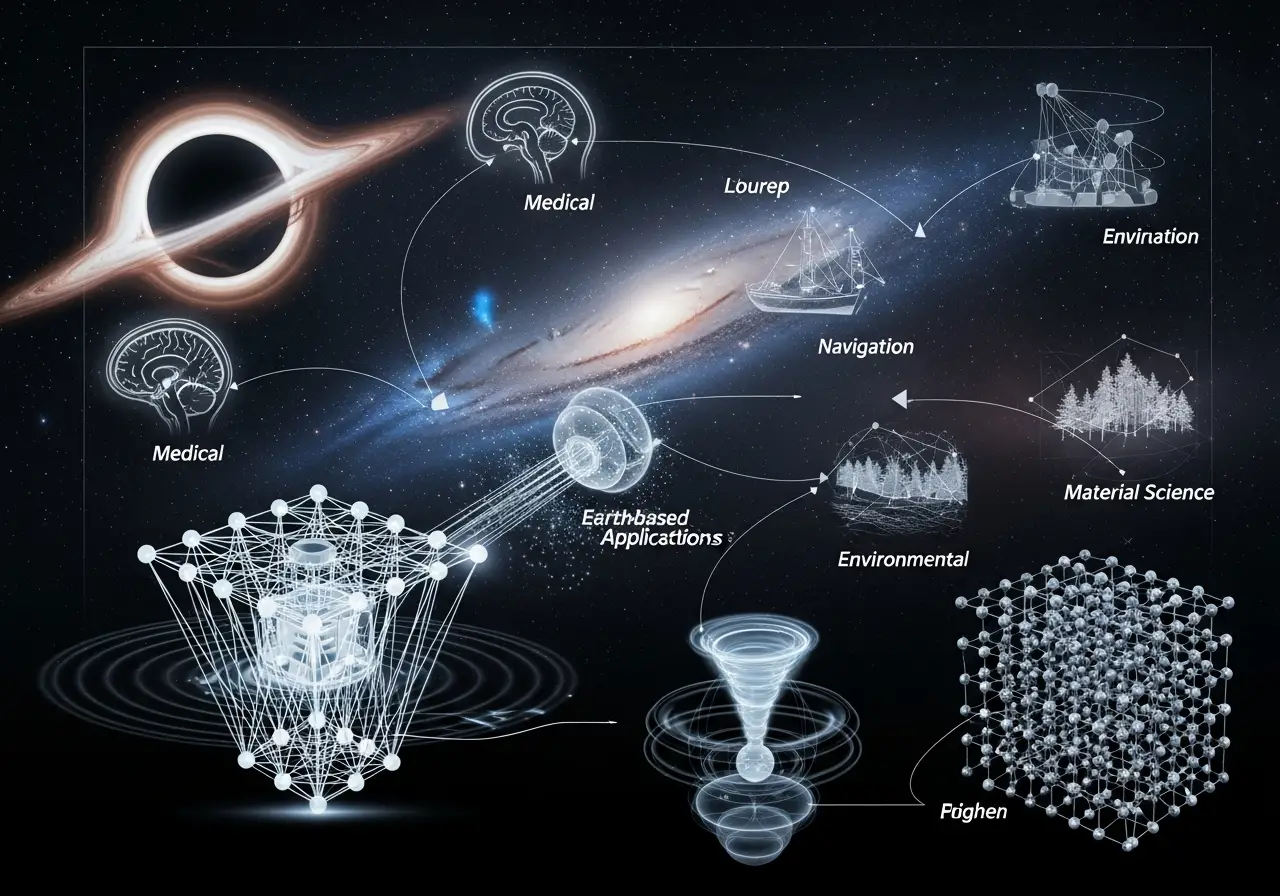
One compelling application is gravitational wave detection. Quantum sensors enable the observation of these spacetime ripples with remarkable accuracy, unveiling cosmic events like two colliding black holes billions of light-years away. But the scope is even broader—consider medical diagnostics, where quantum sensors could revolutionize disease detection by distinguishing between healthy and unhealthy tissues at an intricate level. Imagine catching diseases long before they manifest, offering transformative early warnings.
Navigation systems stand to benefit as well; engineers are crafting quantum sensors that promise unparalleled accuracy. Gone are the days of struggling with traditional GPS; instead, imagine a system guided by the Earth’s quantum gravitational field, ensuring precise navigation even in urban mazes.
Environmental monitoring can’t be overlooked. With climate change posing significant challenges, accurate data is crucial. Quantum sensors can detect pollutants at minuscule concentrations, offering real-time assessments of planetary health and empowering policy decisions with precise data.
Despite the allure, quantum sensing faces challenges, requiring meticulous calibration and isolation from noise. Yet, as we explore this uncharted territory, ethical consideration becomes paramount—ensuring that these advancements serve humanity and the planet responsibly.
Quantum sensing invites us to rethink our place in the cosmos, unraveling cosmic mysteries and advancing technologies with profound implications. As we engage with this quantum realm, we’re not just observers but active participants in shaping the future. If you’re curious to learn more about how quantum technologies can transform our understanding of the universe, consider reaching out or exploring further resources on this groundbreaking journey.