

Standing at the edge of a complex maze can feel daunting, yet the promise of quantum optimization offers a sophisticated way through these intricate networks of decisions and data. Unlike traditional problem-solving, which often involves painstakingly trying to identify solutions one at a time, quantum optimization utilizes the power of quantum computing to explore multiple possibilities concurrently. By doing so, it provides us with the ability to find optimal solutions swiftly and efficiently, bypassing the limitations that classical methods face.
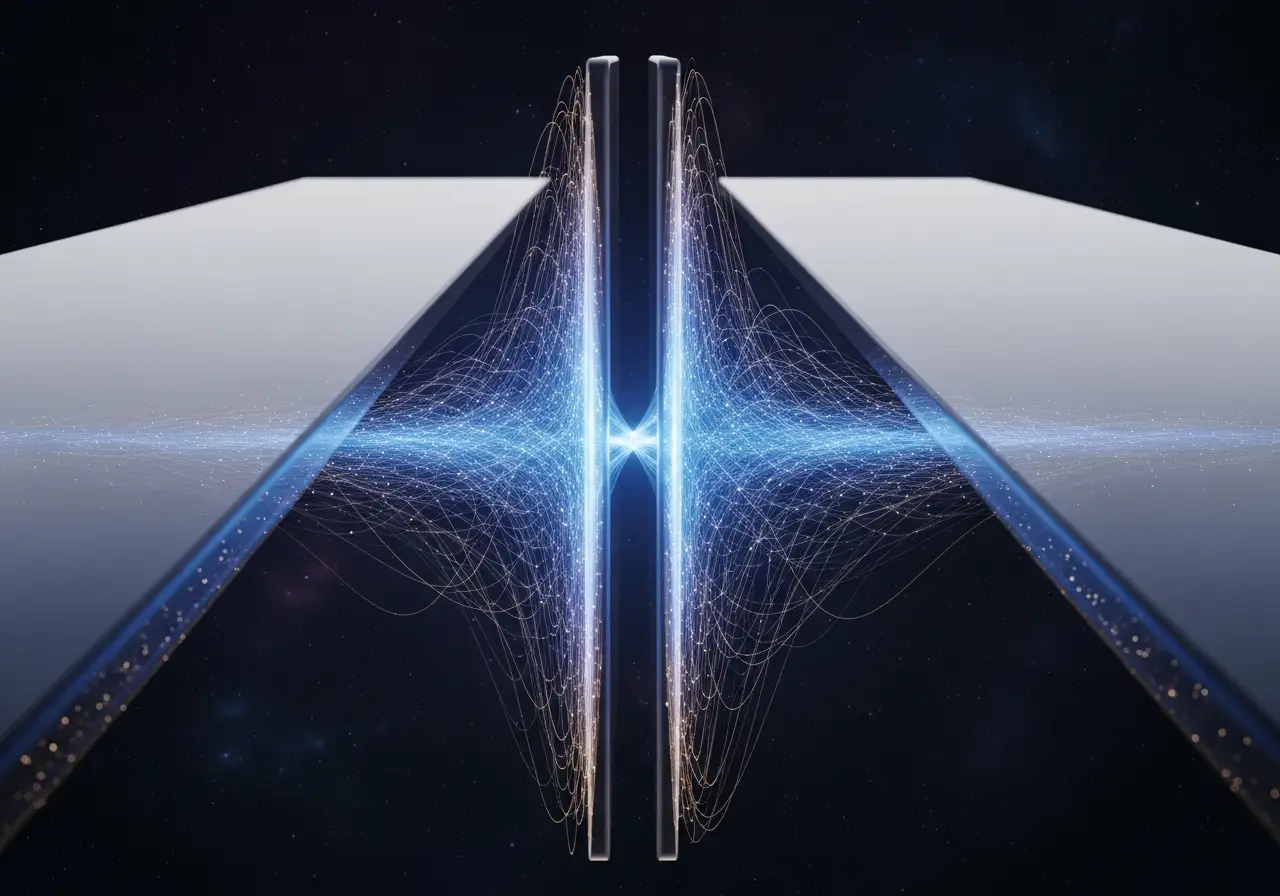
Central to this transformative approach is the phenomenon known as superposition, where quantum bits (or qubits) exist in multiple states simultaneously. Imagine facing a funhouse of mirrors where each reflection represents a different potential outcome; this mirrors the unique ability of quantum computing to evaluate numerous pathways at once. Additionally, the concept of quantum entanglement—where qubits, though distantly separated, remain interconnected—enables these systems to meticulously process large datasets with unparalleled efficiency, much like dancers orchestrating a perfectly synchronized routine from miles apart.
While the speed of quantum optimization is a standout feature, its real impact lies in its ability to maintain coherence—ensuring organized and effective solutions across complex, multi-layered problems. Picture a symphony orchestrated with precision rather than a scattered jam session; that’s the level of refined clarity that quantum systems bring. This makes quantum optimization invaluable across fields such as logistics, where it can transform traffic flows into a seamless ballet of movement, or in healthcare, where it can transform vast data from medical imaging into insights for tailored treatments.
Nevertheless, it’s crucial to remember that we are merely scratching the surface of what quantum optimization promises. As research and development continue to progress, those investing in these breakthroughs stand to gain substantially. This burgeoning field suggests that we are entering a new era in problem-solving—one that redefines our understanding of complexity and choice.
In summary, quantum optimization reshapes how we approach challenges of all kinds, from grand scientific endeavors to everyday decisions. It offers a blend of elegance and efficiency that challenges us to rethink the boundaries of what’s possible. As we continue to explore this promising domain, quantum technology stands ready to revolutionize the art of decision-making. Are you curious about how quantum optimization can impact your field? For more on this topic, visit [Firebringer AI](https://firebringerai.com).