
Let’s chat about a future where technology doesn’t just mimic what we see but helps us understand it in ways we never thought possible. At the heart of this transformation is quantum computing—a fascinating field that goes beyond traditional computing to unravel layers of information hidden within images.
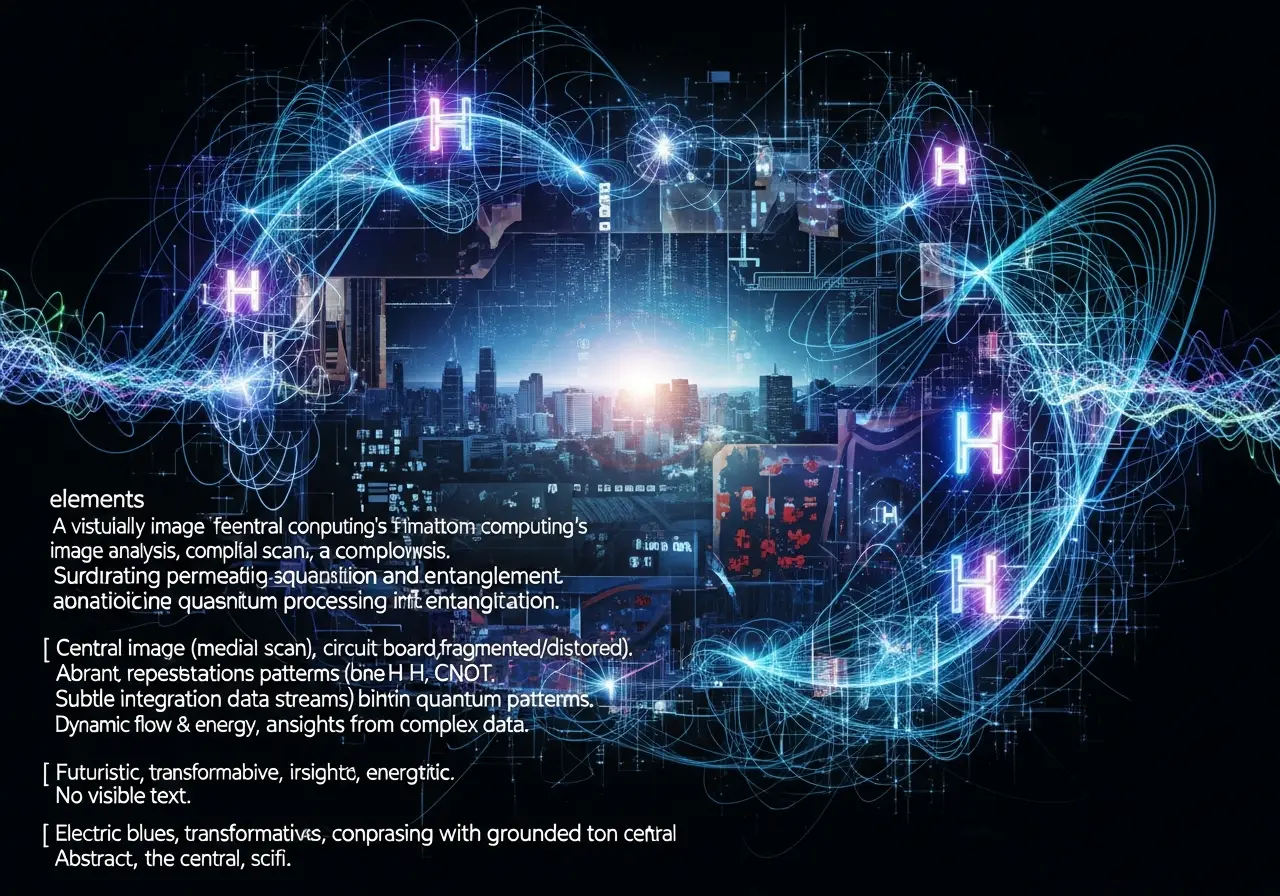
Picture a computer so powerful it can analyze pictures not by dissecting each detail one piece at a time but by understanding them all at once. This isn’t just about faster processing but better understanding. Quantum computers use a concept called superposition, which allows them to consider many possibilities simultaneously. It’s like having a world of options open up all at once. This means that when it comes to processing images, quantum computers don’t just scan but delve deeply into the data, uncovering patterns and insights that we might miss.
Now, consider the practicality of this. What would it mean to have the ability to interpret visual data faster and more accurately? For hospitals, it’s about diagnosing patients more swiftly; for autonomous vehicles, it’s about navigating streets with pinpoint accuracy. In security, it means spotting irregularities before they become problems. With quantum computing, we gain a type of upgraded vision—one that enhances how we see and interact with the world.
Yet, the journey to this advanced state isn’t without its challenges. Quantum computers require precise conditions to function correctly, involving synchronization and error correction that can be quite complex. But once these challenges are met, they open doors to insights and advancements that regular computers just can’t match.
Imagine algorithms that don’t just process an image but understand the context behind it. This sort of depth can change how we experience content and deepen our understanding of art, nature, and our interactions.
The real magic happens when artificial intelligence joins forces with quantum computing. Here, AI doesn’t just follow commands; it learns, grows, and even begins to predict what we might need before we ask for it. It’s about creating technology that doesn’t just assist but actively enhances our decision-making.
Are you curious about what’s possible when computer vision meets quantum innovation? As we look forward, each captured image becomes a new adventure into what we can learn and create. This is a revolutionary step not just for technology but for our connection with the world, inviting us to explore and understand more than ever before. Ready to join the journey?