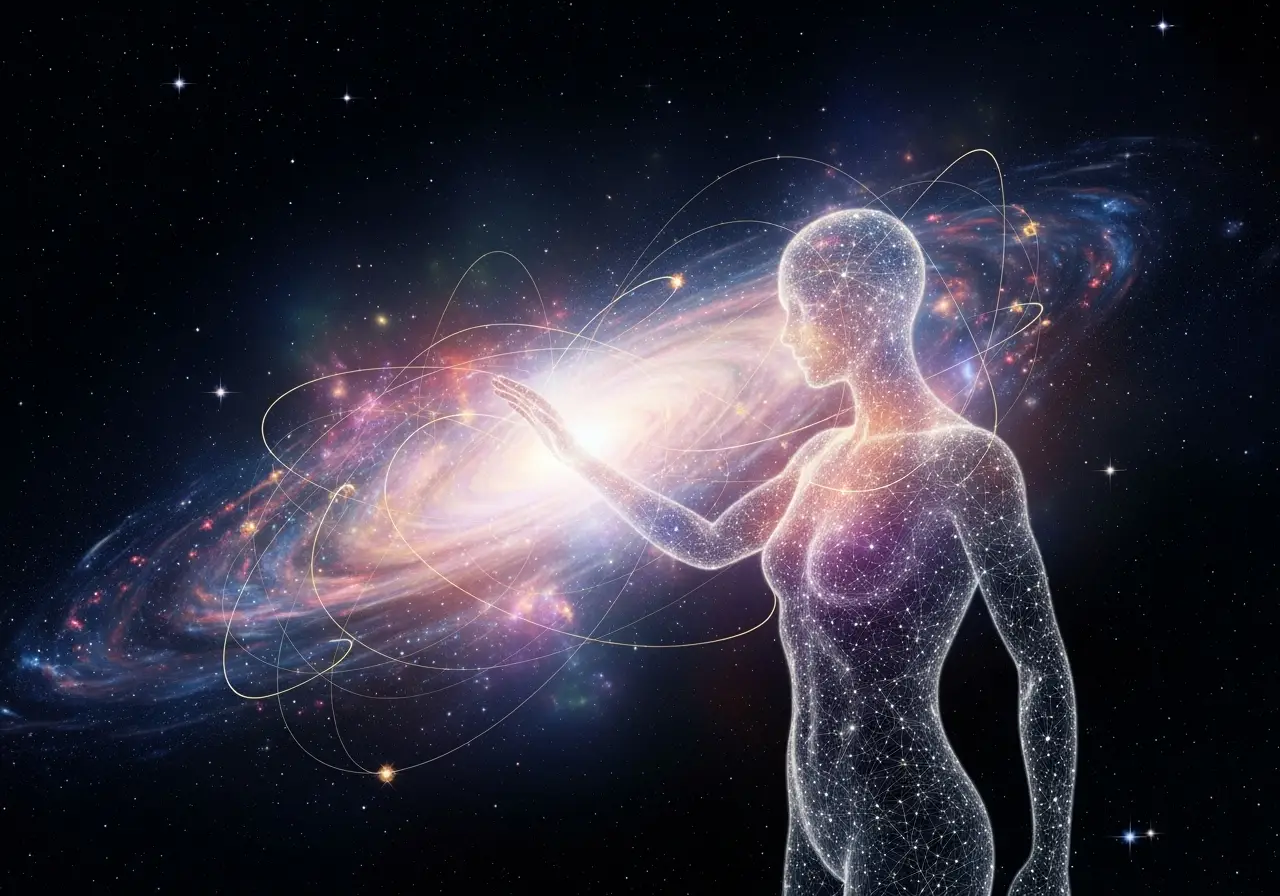
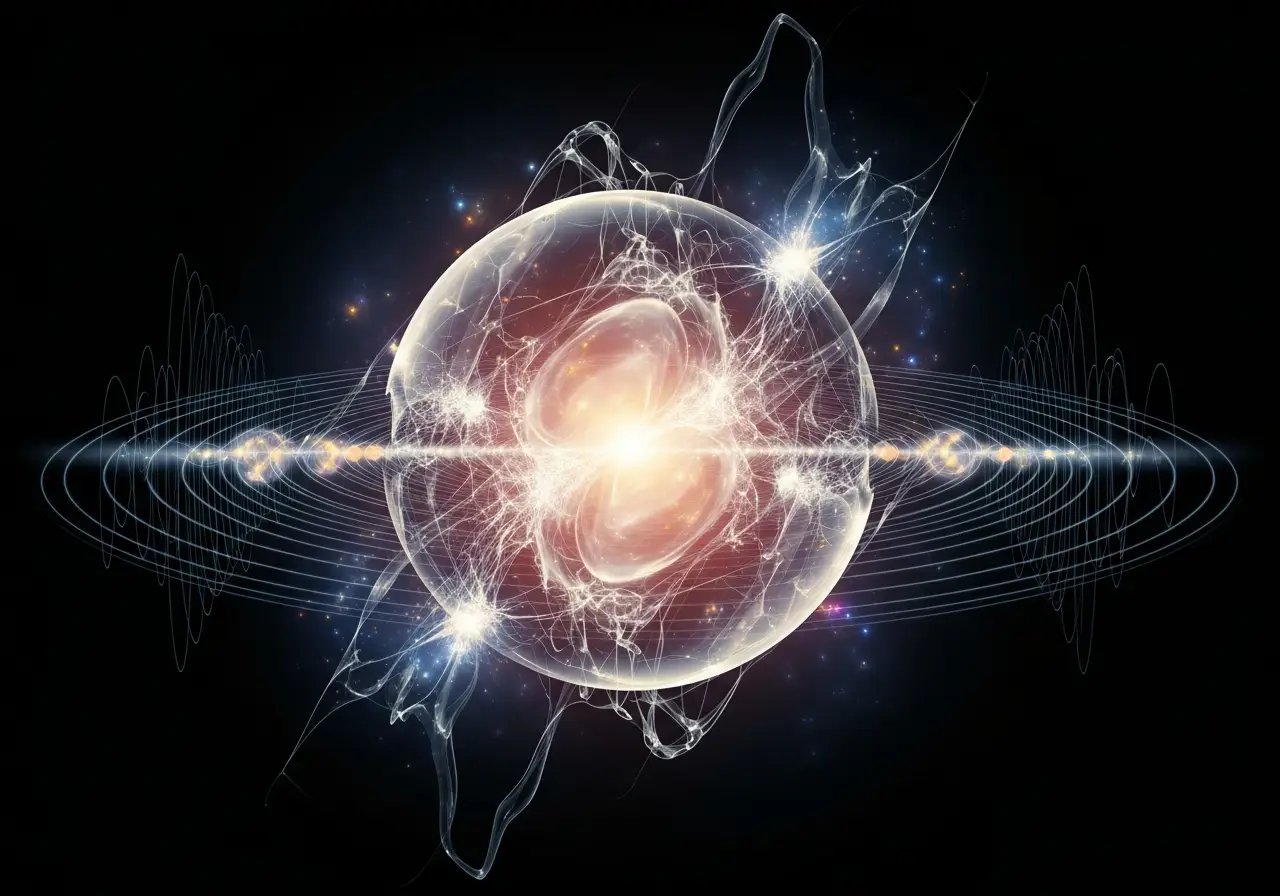

Peering into the complexities of the universe, Objective Collapse offers a fascinating look at how particles might independently firm up their states without needing an audience. It questions the traditional emphasis on our role as observers in quantum mechanics by suggesting physical triggers for quantum state changes. Imagine, for a moment, that the universe—filled with an intricate dance of particles—decides for itself when to stop twirling and settle into a pose. This theory beckons us to rethink consciousness’ role in reality while acknowledging gravity and spontaneous actions as possible directors in nature’s theater.
The notion is that elements like tiny gravitational effects could lead to this “collapse,” much like a delicate nudge in the cosmic scheme of things. Additionally, the idea of spontaneous collapse posits that particles, over time, decide on their position without human influence, showcasing a universe eager for self-definition.
These insights don’t just stay locked in academic towers. They spill over into how we might someday push the frontiers of technology, influencing everything from computing to intricate sensors. There’s a sense that, as our understanding deepens, we unlock doors to innovation built on these foundational principles.
Engaging with Objective Collapse doesn’t mean dismissing our consciousness’s essence—it simply broadens our view. Even as autonomous processes govern particles, our awareness remains a vital component of experiencing our universe, fitting snugly alongside the natural order.
Despite critical debates swirling around such quantum conundrums, it is this blending of science and wonder that drives us closer to universal truths. Objective Collapse asks us to think beyond being mere spectators in reality’s arena—encouraging us to ponder our narratives amid swirling cosmic dynamics. As you navigate these themes, consider them not just as theoretical musings but as keys to a more profound appreciation of existence’s enigmatic waltz.