
Let’s untangle the complexities of what’s truly fascinating about Grover’s Algorithm without relying on the usual pomp and clichés. Picture yourself in a library overflowing with unmarked books, each one potentially precious. Finding the right one could be like playing a guessing game with thousands of entries. This is where Grover’s Algorithm steps in—your navigator in the challenging sea of data.
Unlike traditional search methods that require you to painstakingly sift through each possibility, Grover’s leverages the quirks of quantum mechanics, like superposition and interference, allowing you to hone in on your target with enviable speed. Imagine shaving off time from your search efforts in a way akin to jumping rows of bookshelves in one decisive leap. It challenges the notion of what’s possible in data retrieval.
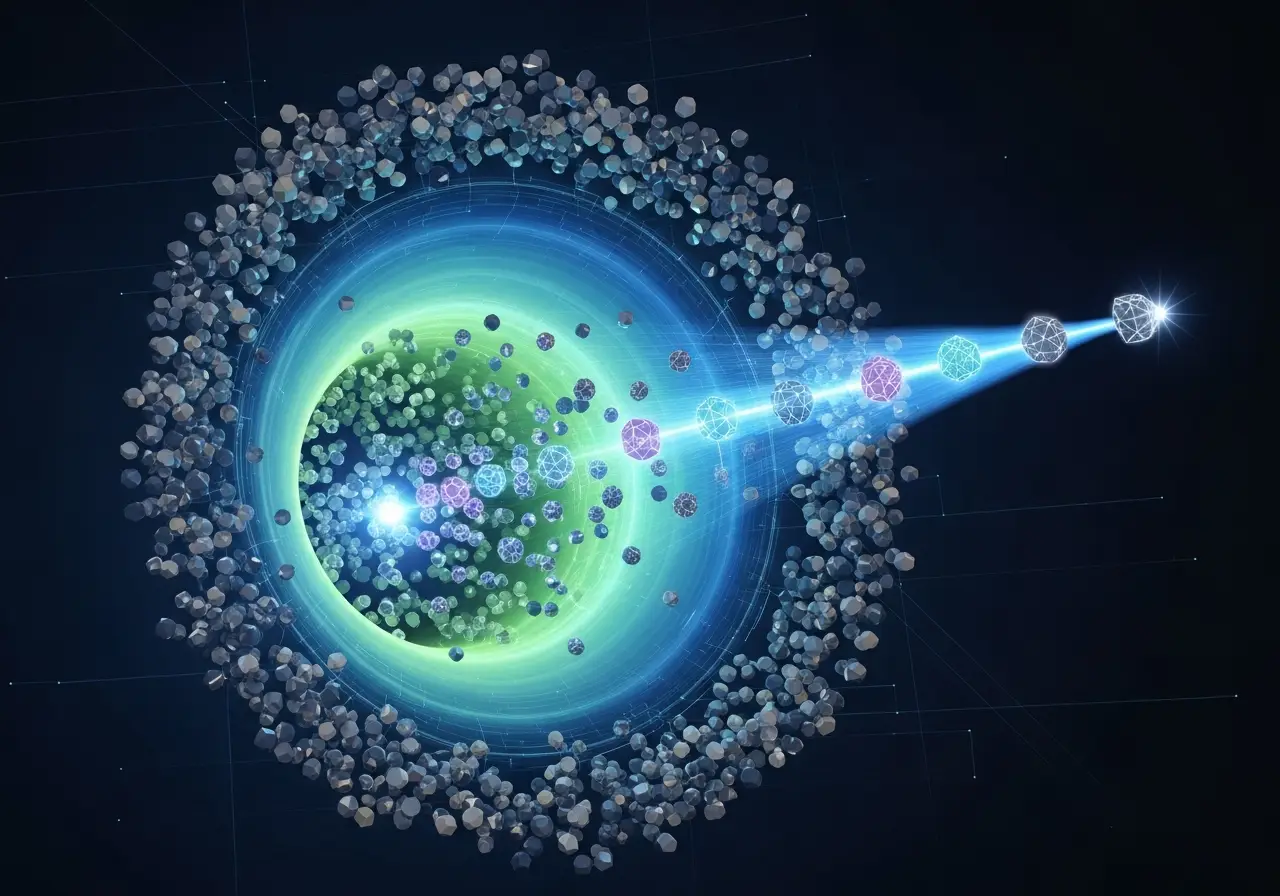
So how does it all work? The algorithm performs like a savvy detective, using “Amplitude Amplification” to boost the probability of finding what you’re looking for, suppressing unwanted candidates. It’s not a shot in the dark but precision-guided navigation.
The flexibility of Grover’s Algorithm is its charm. It applies across fields—from code breaking to optimizing problems. Yet, its full potential waits on the development of quantum computers. These devices, still budding, promise a future where the laborious transforms into ease, and the difficult becomes straightforward.
Currently, the path may involve hurdles like technical limitations, but the groundbreaking promise of Grover remains. As technology advances, so will the reach of Grover’s Algorithm, reshaping problem-solving across disciplines. It holds the spirit of a grand adventure in search of lost knowledge. So, while we anticipate a quantum-ready world, the excitement lies in the threshold we’re crossing, where efficiency and clarity will soon be at our fingertips. Welcome this change—the dawn of a new chapter in information retrieval awaits. For more insights into quantum technology and its future, explore https://firebringerai.com.