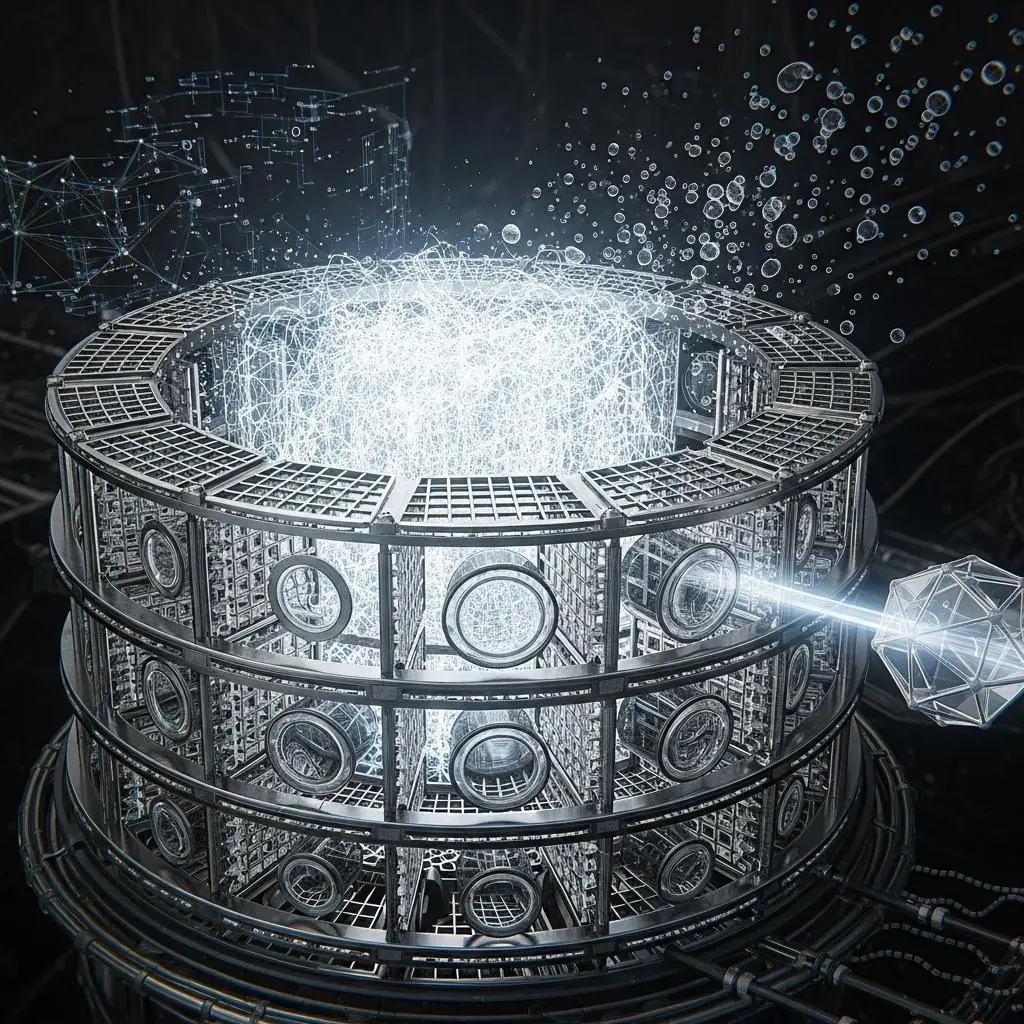

In the realm of computational theory, where the mysterious dance of quantum mechanics meets the precision of algorithmic logic, a new class emerges: Bounded-Error Quantum Polynomial Time (BQP). This concept represents a frontier where challenges once deemed too complex for traditional computing might find solutions in the realm of qubits and superposition. As we delve into BQP, we’re not merely exploring computational potential; we’re reimagining the landscape of cryptography, optimization, and beyond.
BQP is more than just a theoretical construct. It opens doors to solving problems like factoring large integers or simulating quantum systems efficiently—tasks that have long eluded classical computers. In essence, BQP defines those decision problems for which a quantum computer can provide answers with a certain degree of reliability, even if not perfectly foolproof. This reliability is essential as we consider the implications of quantum computing across various fields.
Take cryptography, for instance: quantum algorithms threaten to upend traditional encryption methods by leveraging quantum properties. This could lead to a novel era of information security, where the protection of data is grounded in the principles of quantum mechanics rather than classical complexity. Meanwhile, in optimization, problems such as the infamous Traveling Salesman problem become not just tractable but opportunities for creativity and innovation through advances like Grover’s and Shor’s algorithms.
The interplay between BQP and its classical counterpart, Polynomial Time (P), introduces a dynamic where conventional boundaries are continuously redefined. BQP’s realm is fluid, allowing us to explore paths in computation that were previously unimaginable. This presents a thrilling challenge for researchers and technologists eager to push the limits of what is computationally possible.
As we journey through the evolving landscape of BQP, it’s crucial to recognize its potential to revolutionize fields such as artificial intelligence, materials science, and drug discovery. Each step forward in BQP not only challenges our current understanding but also expands it, offering new tools and techniques that could transform technology’s societal role.
Ultimately, BQP invites us into a world where creativity and logic intertwine—a world where the capacity to imagine drives the boundaries of computation itself. Embracing this quantum odyssey invites us to explore uncharted territories of innovation. And as we stand on the precipice of this quantum frontier, the possibilities are limited only by how far we’re willing to imagine.