

The concept of slow light is as mesmerizing as it is groundbreaking, showing us that even the fastest entities in the universe have untapped potential. This phenomenon is about more than just light moving leisurely; it holds the key to potentially revolutionizing how we manage data, view the cosmos, and even perceive time.
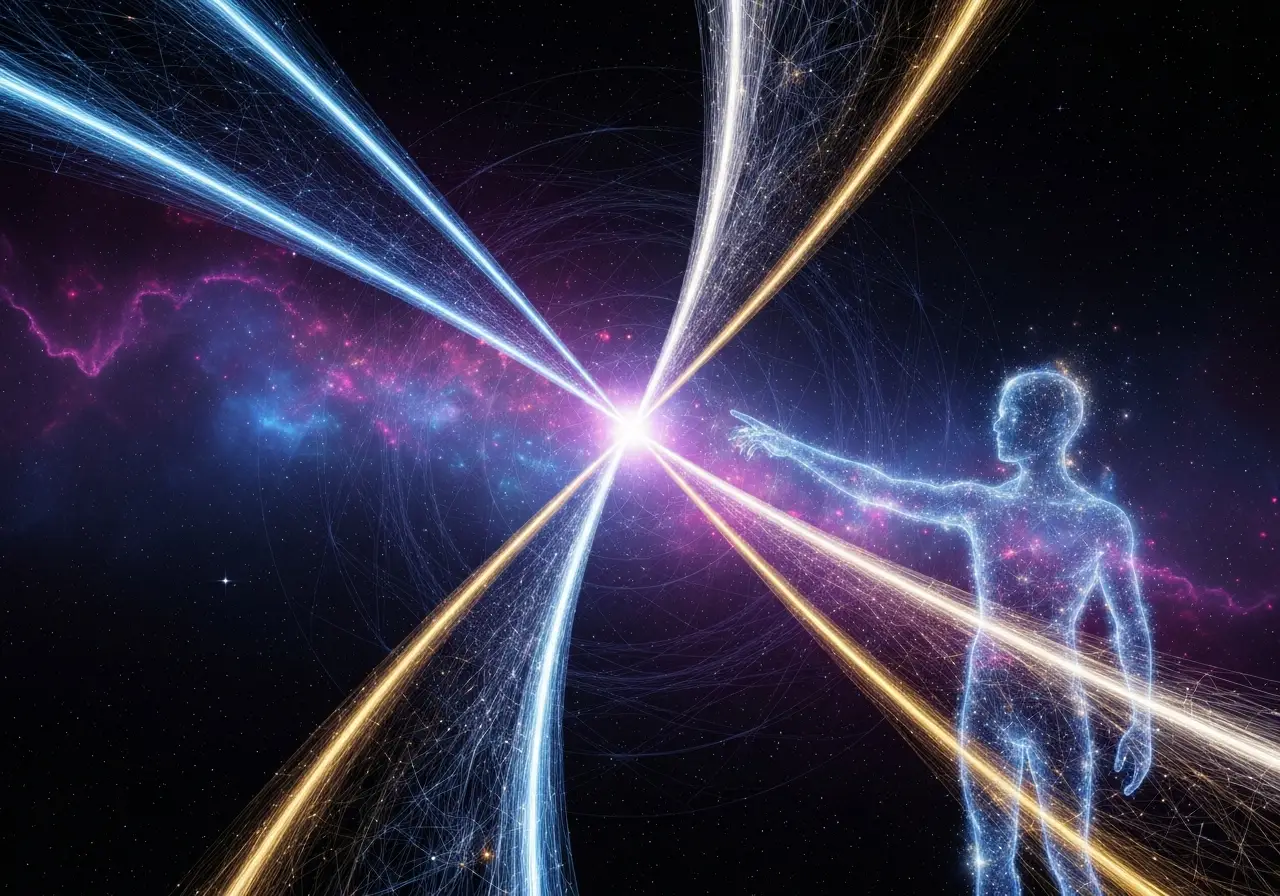
Let’s break this down a bit. At the heart of slow light is the way photons behave when they travel through different substances. Picture light as an elegant dancer, gracefully moving through materials like glass or specially designed atomic setups. In these environments, light adopts a slower pace, akin to a sports car navigating a tight bend. This controlled deceleration of light raises fascinating possibilities for our future.
Consider this: when photons meander slowly through a medium, they do so in harmony, much like a tightly-knit community working in unison. This coherence lets light sync up in ways that extend its stay in a given space, giving us more time to utilize the information it carries. This could pave the way for advancements in fields like quantum computing and telecommunications, where delayed light could mean novel methods of data processing and transfer.
The applications of slow light are vast—think of it as opening a treasure chest of potential. By altering the speed of various light frequencies, we can develop cutting-edge sensors and imaging systems that will allow us to explore biological phenomena with newfound precision or measure cosmic distances with exceptional accuracy.
Moreover, tampering with light speed challenges our understanding of time. If we can stretch moments with light, might we someday reimagine our experience of time? It’s a tantalizing concept that, while rooted in scientific exploration, edges into the realm of philosophical inquiry.
Researching slow light isn’t without its difficulties, of course. Scientists face technical challenges, like ensuring signal strength and efficiency, as they experiment with slowing techniques using different media. Nonetheless, each challenge is a step toward unraveling more secrets of quantum mechanics.
The philosophical implications are equally intriguing. If light isn’t permanently bound to its formidable speed, what other universal constants might be more flexible than we imagine? As we peer deeper into the quantum realm, we’re reminded of the fluidity and interconnectedness defining much of our cosmic understanding.
The journey into slow light is just beginning. It hints at innovations that could transform communication, redefine computing, and offer new ways of comprehending time. As researchers push the boundaries, the secrets of light promise a future brimming with exciting discoveries. So as we delve into this captivating study, we stand on the verge of not only technological breakthroughs but also a profound reshaping of how we view and interact with the universe.