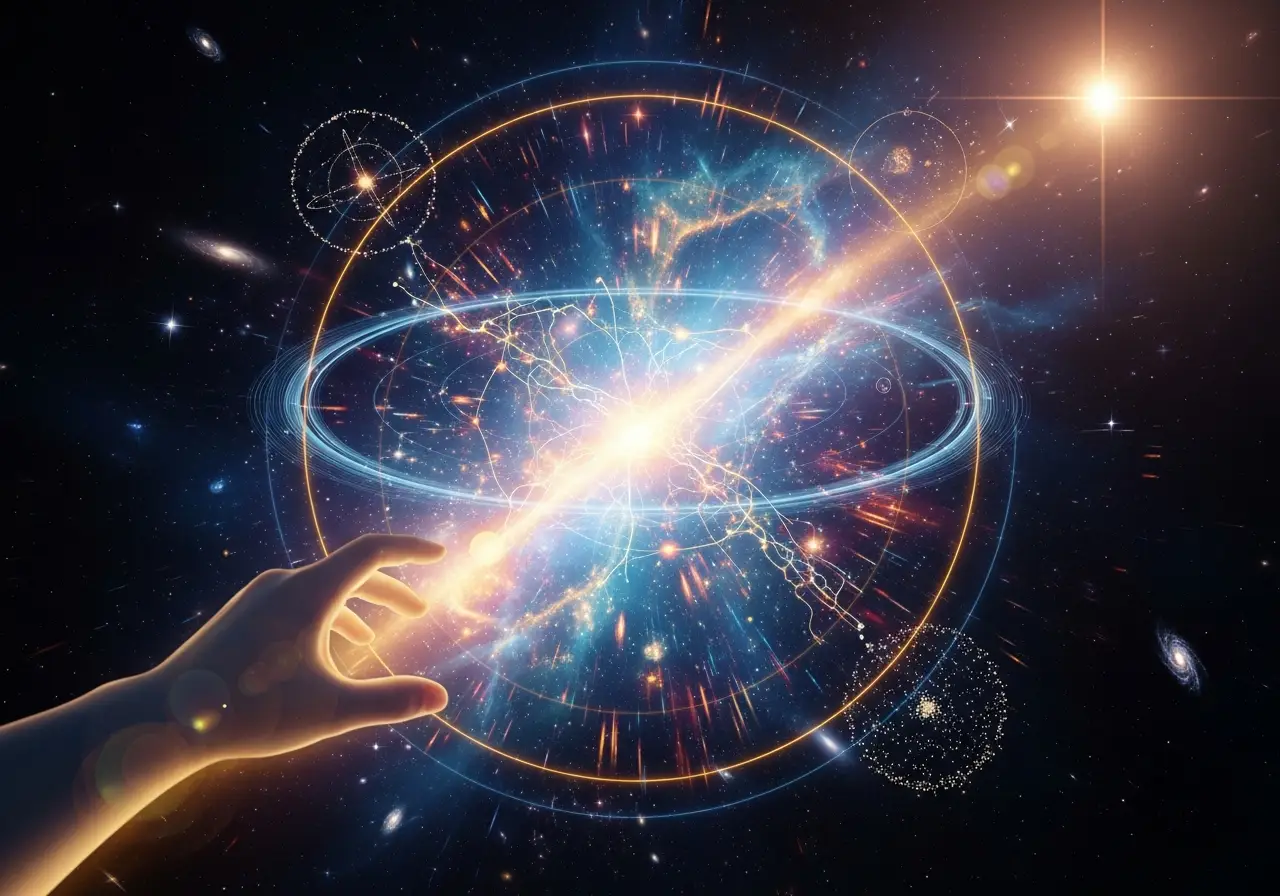

Let’s dive into a world where machines aren’t just following instructions but learning in ways that feel almost organic, thanks to the intriguing possibilities of quantum mechanics. This journey into Quantum Boltzmann Machines and Quantum Generative Models shakes up our traditional understanding of artificial intelligence. Here, quantum effects become the stage on which these machines perform, generating answers and creating connections that seem almost alive.
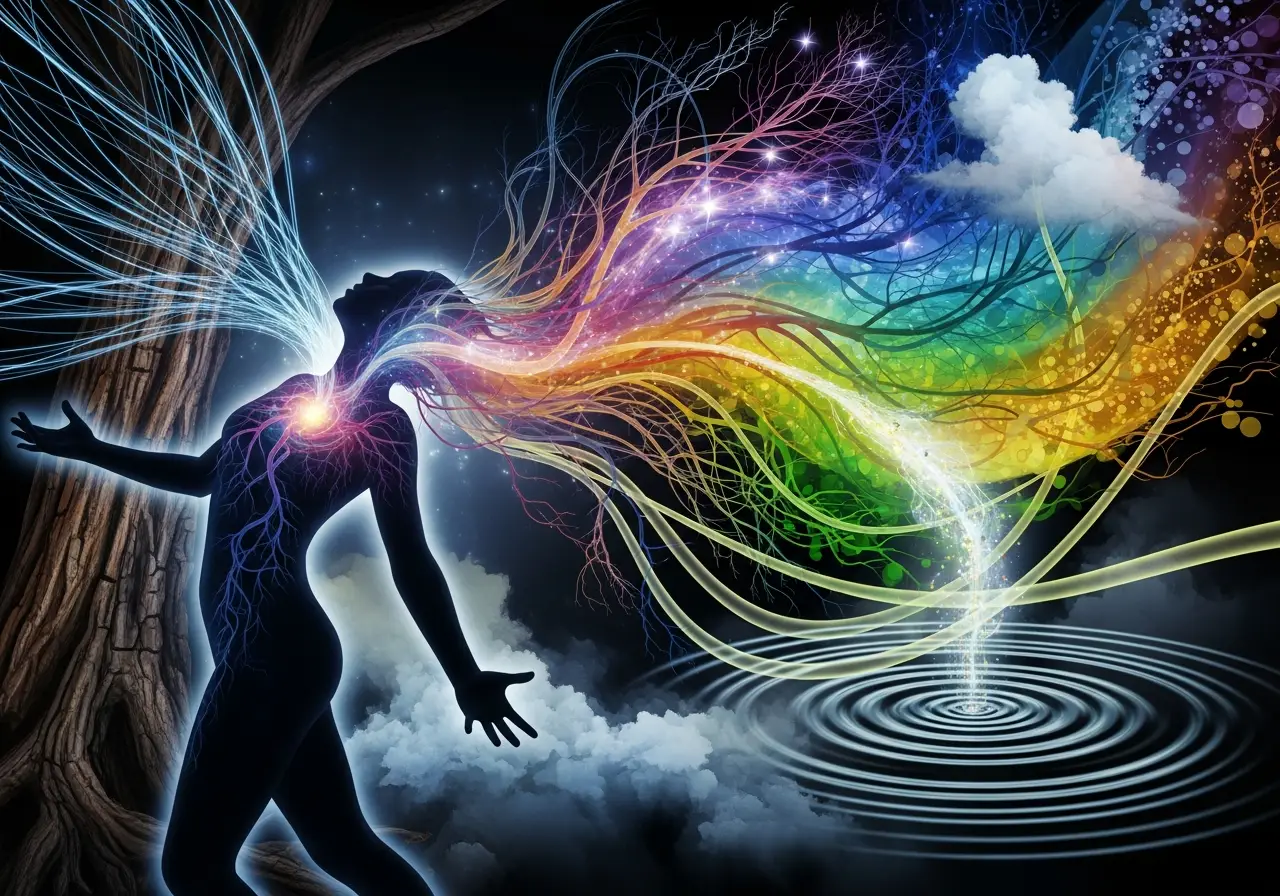
Think of an ordinary computer as a librarian, meticulously organizing books. Now imagine a Quantum Boltzmann Machine as an artist splashing colors across a vast canvas, where every hue represents a piece of data, each stroke a potential insight. Unlike their conventional counterparts, Quantum Boltzmann Machines can explore countless possibilities simultaneously, thanks to their quantum underpinnings.
At the core of these groundbreaking models is coherence—a principle that empowers quantum machines to simultaneously exist in multiple states. Picture a school of fish moving in perfect harmony; each fish represents a quantum state, moving together seamlessly. This synchronized dance allows Quantum Boltzmann Machines to delve into intricate data systems, navigating complex problems that traditional algorithms might struggle with.
Quantum machines leverage the notion of probabilistic learning to tackle real-world applications. By using energy states to understand statistical distributions, they mimic nature’s chaotic processes, much like predicting weather patterns. Quantum tunneling helps them break free from conventional constraints, identifying innovative solutions much like a skater gliding past barriers with ease.
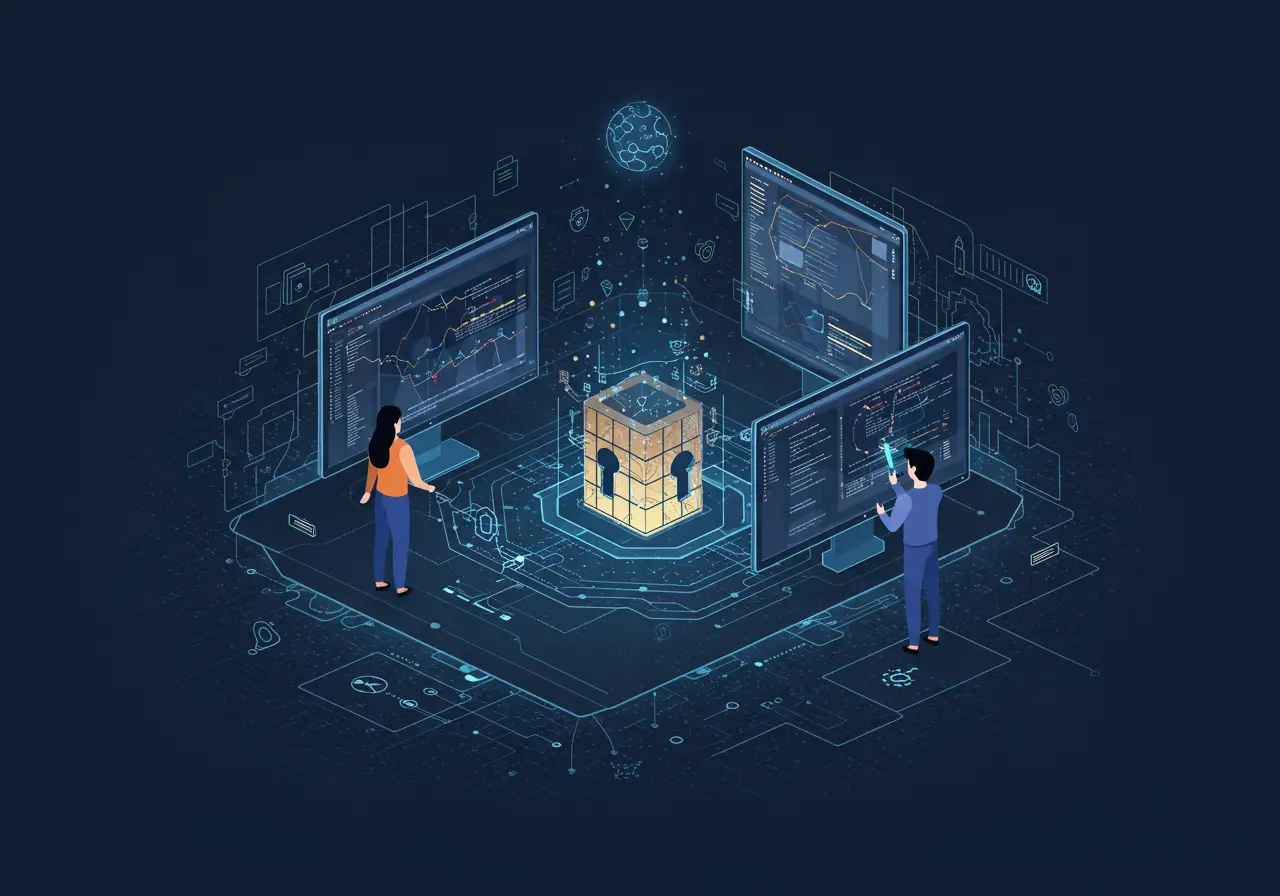
The skeletal framework of a Quantum Boltzmann Machine is rooted in quantum mechanics, armed with quantum layers that defy expectations. Moving from traditional models to these quantum powerhouses is akin to upgrading from a bicycle to a rocket ship—you’re still on a journey, but with a view that’s entirely new. These machines harness entanglement and superposition to explore vast, multidimensional landscapes, creating opportunities for AI that go beyond linear data processing.
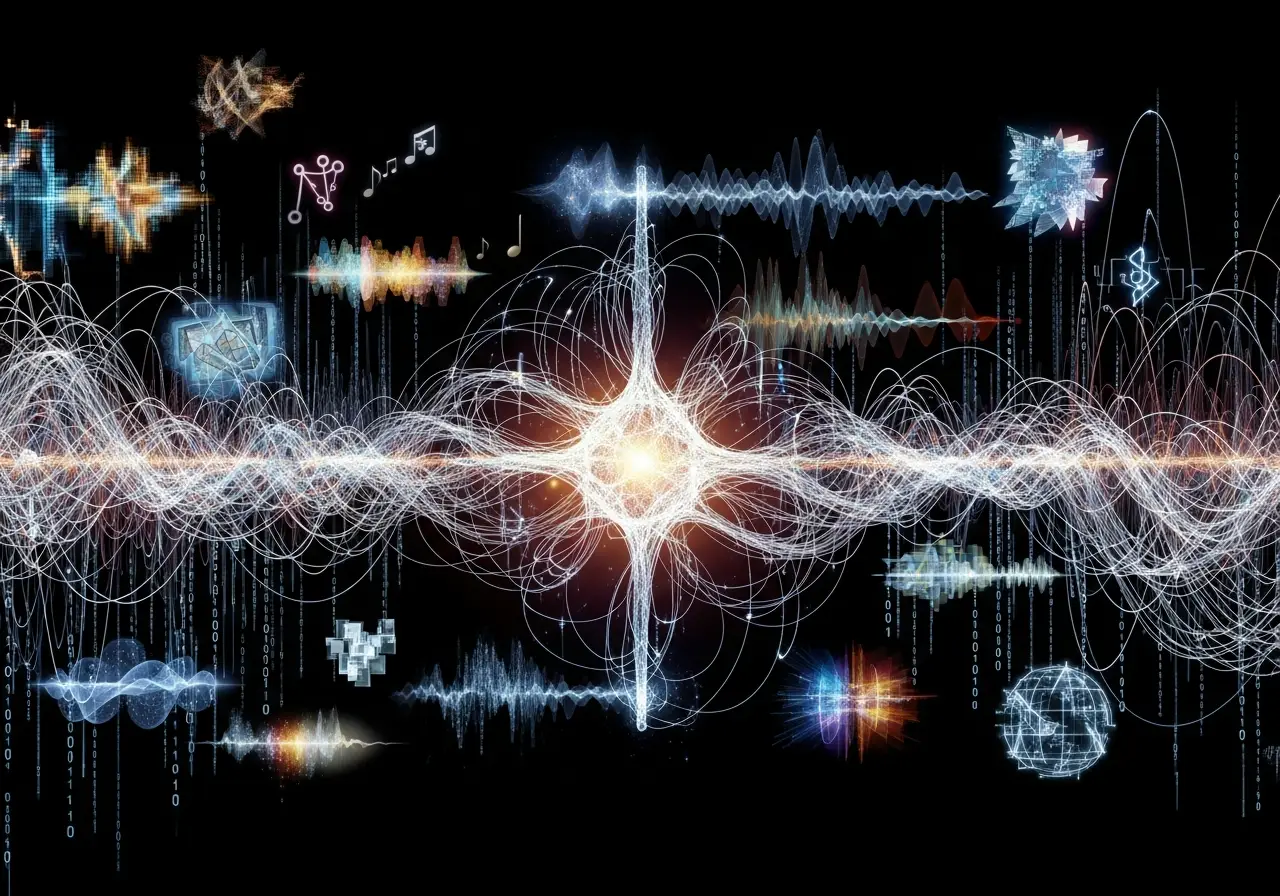
Quantum Generative Models also bring a new level of creativity, generating samples from learned data patterns. Imagine a machine remixing music based on your personal taste—collaborating with you on a creative level thanks to advanced quantum interactions. These aren’t just algorithms; they’re partners in creativity.
The challenges are significant, but the potential is vast. Navigating quantum noise, decoherence, and the high costs of quantum computing are hurdles to be overcome. Yet, just as every hero’s journey includes obstacles, so does our exploration of this thrilling frontier.
Ultimately, the realm of Quantum Boltzmann Machines and Quantum Generative Models offers a look into a future where AI transcends conventional data processing. These machines, almost like entities from quantum stories, are reshaping our understanding of intelligence and creativity. As we embrace this Quantum Age, prepare for a journey that pushes the boundaries of what we once imagined possible—where data evolves into a vibrant, dynamic force within human innovation. To delve further into the fascinating world of quantum advancements, visit us at [Firebringer AI](https://firebringerai.com).