
Imagine standing on the threshold of a realm within ourselves where tiny structures hold the secrets to how we think and feel. These structures, known as microtubules, were once seen merely as cellular scaffolding. Recent research, however, is shedding light on their potential roles beyond just maintaining cell shape. These cylindrical filaments might be integral to how our cells transfer information, communicate, and perhaps even how consciousness forms. Delving into the mysteries of these cellular highways could transform our understanding of life itself.
At the heart of this exploration is the intriguing idea of quantum coherence within our cells. Microtubules, composed of tubulin proteins, may function much like the internet within our bodies—facilitating complex communication among cells. It’s fascinating to consider that these minuscule components could influence the very essence of consciousness by harnessing quantum phenomena.
This line of thought is being explored by researchers like Stuart Hameroff and Roger Penrose, whose theory suggests that microtubules could maintain quantum coherence, thereby processing large amounts of information at once. If their hypothesis holds true, it could upend our understanding of consciousness, raising profound questions about reality and our cognitive processes. Could it be that the smallest elements of our being play a crucial role in the mysteries of consciousness?
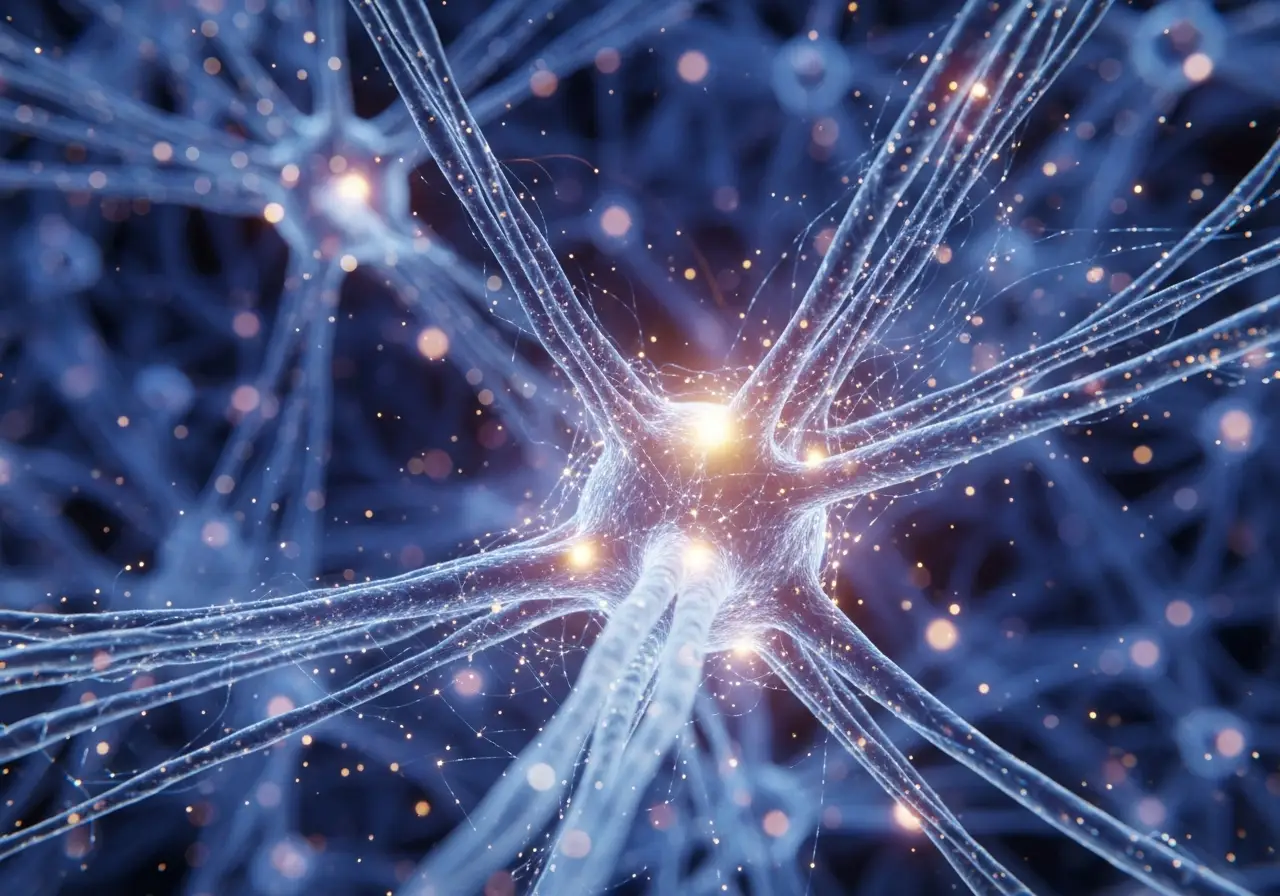
Looking closer at the cellular level, microtubules appear throughout our nervous system, facilitating intricate networks of communication. They assist in transporting neurotransmitters—the molecules critical to our thoughts and emotions. Moreover, some studies propose that microtubules might achieve quantum coherence, which could link them in non-traditional ways that challenge classical biology.
Of course, the journey into this quantum realm is fraught with challenges. The theory is still young, with some skepticism from the scientific community since fully observing quantum behavior in living organisms remains elusive. It’s a bit like chasing a shadow without certain proof. Despite this, the potential insights microtubules offer into brain function, consciousness, and the intricacies of human experience are too compelling to ignore.
As we peel back layers of these cellular structures, their complexity becomes evident. Microtubules don’t operate in a vacuum; they interact dynamically with proteins and other cellular elements. This interplay might reflect external energies, suggesting that our cells resonate in harmony with their surroundings.
The ramifications of understanding microtubule coherence go beyond neuroscience. Imagine leveraging this knowledge to advance treatments for neurological disorders or mental health conditions. If microtubules affect cognition, could they inspire innovations in drug development or cellular therapies? The marriage of quantum biology and medicine holds astonishing promise, potentially leading to breakthroughs in recovery and enhancement.
In pondering microtubules, we’re not just examining biological mechanics but are also seeking to understand the links that sustain life itself. As this field develops, we may find answers that redefine how we view life, consciousness, and our place within the universe. These tiny structures could illuminate more than the workings of our brains; they might reveal the deep connections that bind the fabric of existence. Keep this in mind next time you reflect on your thoughts or emotions—they may trace back to the delicate dance of microtubules composing your consciousness.