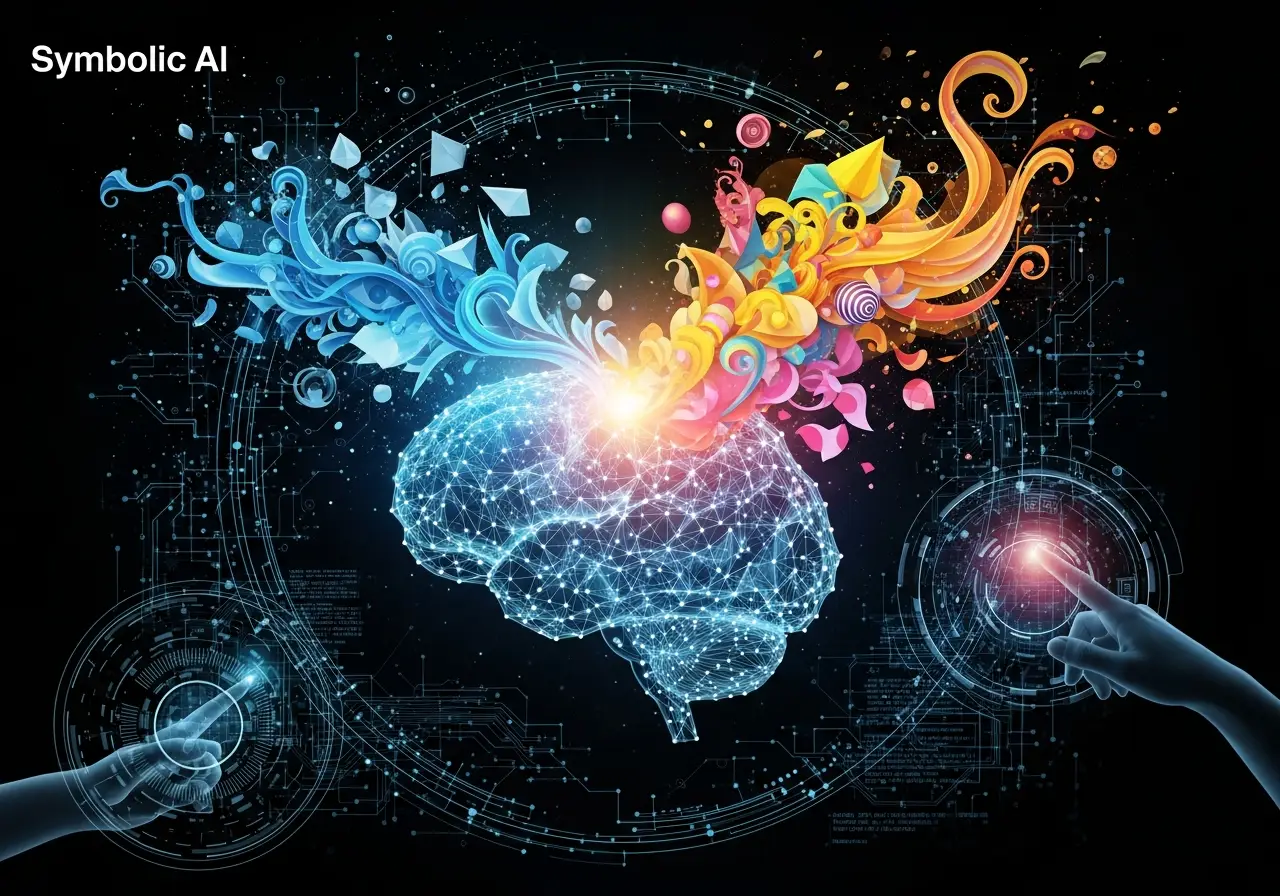

Let’s take a closer look at Symbolic AI—the underdog of artificial intelligence that’s strutting in with a fresh perspective. Imagine a world where machines aren’t just number-crunchers but storytellers, philosophers, and problem-solvers similar to the most brilliant human minds you can think of. We’re not just talking about an AI that does its math homework correctly; we’re talking about one that could argue with Socrates!
In a tech scene dominated by neural networks and deep learning, Symbolic AI is that kid sitting in the back of the class quietly mastering logic, abstraction, and rules. It’s betting on the fine art of mimicry, aiming to reproduce how we humans piece together our chaotic experiences into something vaguely resembling meaning. Picture a future where AI isn’t just a software servant but your witty co-worker, gifted in navigating the messy ocean of human emotions and cultural quirks with surprising grace.
As we peel back these layers (which, to be honest, is less like peeling an onion and more like trying to understand your hipster friend’s film recommendations), we’re uncovering a hybrid approach. This could redefine not just our interaction with technology, but how we think about our role in a world increasingly run by artificial brains. So, tighten your seatbelt and enjoy this stroll into the realm of symbolic thinking, where creativity shakes hands with computation in a radical tango of intelligence.
But let’s not write off the heavyweights just yet. Symbolic AI steps into the spotlight as a refreshing alternative in the world of silicon and algorithms. Unlike its neural network buddies, which are brilliant at spotting cat memes and predicting your next online shopping spree, Symbolic AI dips its toes into reasoning—and knowledge representation, no less. It’s like trying to teach a computer to appreciate Shakespeare, but one step at a time.
Every day, Symbolic AI grapples with symbols, concepts, relationships, and rules—sounds pretty human, huh? This isn’t about making a machine that’s good at Jeopardy; we’re talking about an AI that can pen a narrative, solve moral conundrums, and perhaps even impress a philosopher at a cocktail party. Here lies the promise of Symbolic AI, letting us peek into a future where chatbots might finally become more than quiz answer machines and evolve into actual virtual mentors encouraging deep thought and creativity.
One major advantage of these brainy machines is their transparency. Let’s face it, most neural networks are like moody teens—filled with potential but not great at explaining their choices. Symbolic AI, on the other hand, is like that friend who tells you exactly why they got you that weird but thoughtful birthday gift… in detail. It’s transparency that matters, especially when your AI is helping with serious stuff like healthcare, law, or finance, where ethical decisions are the bread and butter.
This journey into the symbolic wilderness reveals the potential for human-machine collaboration that could transform how we create, solve problems, and generally rethink the way we approach the world’s challenges. Imagine AI stepping up as your creative colleague, perfecting the art of brainstorming solutions, co-writing epic novels, or even crafting some mind-blowing art. This dynamic could not only boost productivity but also enrich our narratives, making us question if AI could one day earn a co-creator credit on the next best-selling novel.
Let’s not forget the ethical sidebar here—it’s big and it’s looming. We’re already adding AI systems to our daily recipe of chaos, so ensuring these models understand moral reasoning becomes utterly crucial. Embedding ethics in Symbolic AI systems means creating machines that genuinely care about humanity’s best interests, fairness, and equity. This requires not just technical brilliance, but a genuine fusion of science and the humanities. It’s a bit like asking your AI assistant to have a soul, or at least fake one convincingly.
By merging Symbolic AI with cutting-edge stuff like natural language processing, we’re paving new roads for growth. Imagine an AI system that gets the context, picks up on sarcasm, and responds with just the right amount of sass. That’s where we’re heading with this kind of advancement—the creation of AI that doesn’t just understand language but feels it too, making for richer and more meaningful interactions.
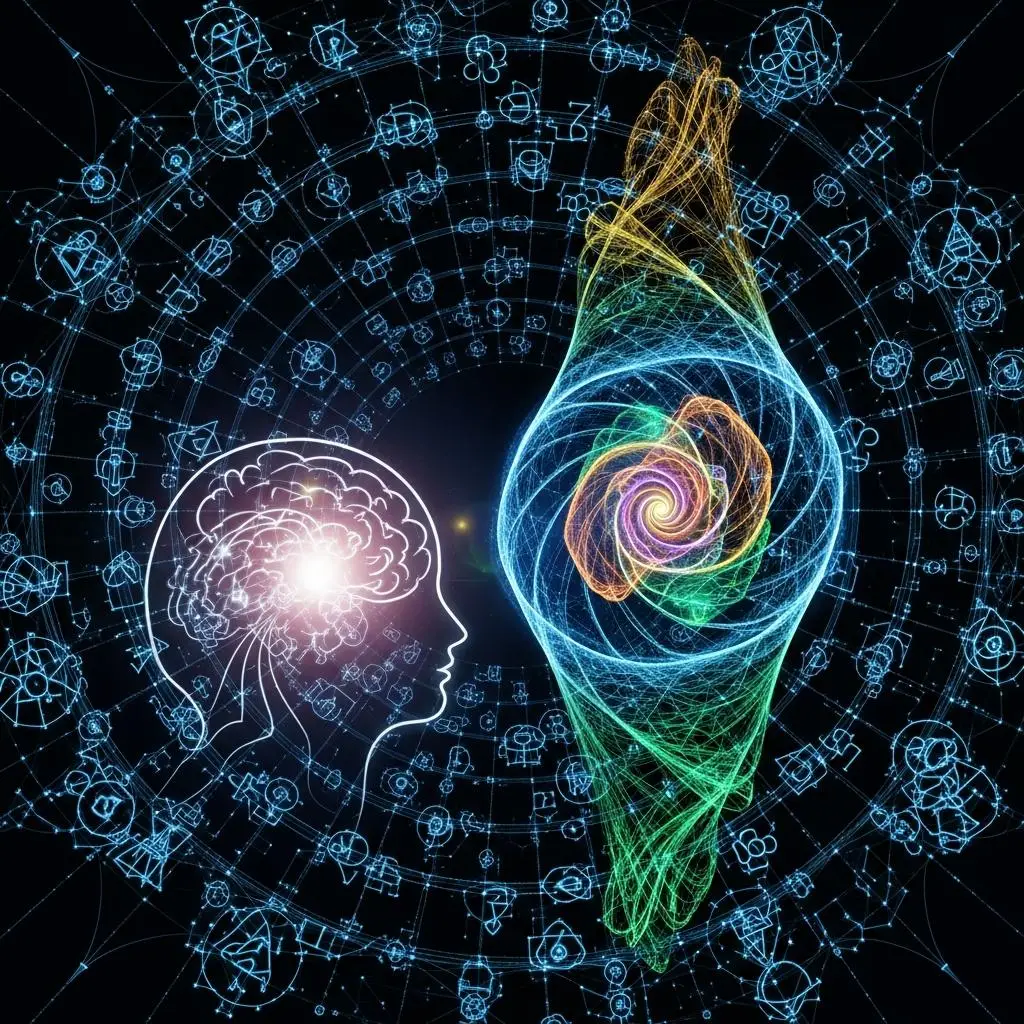
And now, the grand finale: let’s look at that mind-bending hallway of cognitive architectures within Symbolic AI. This is where we might discover the secret sauce to unlocking the depths of understanding in both human and AI brains. With models replicating how we learn things and stumble upon epiphanies, we might just boost human reasoning in the process. Revolutionary, right? Who knew the journey into complexity could bring us a dash of simplicity in tackling problems as varied as scientific inquiries to matters of social justice.
So, consider this your invitation to the renaissance of intelligence—a dance where human reasoning and machine understanding start harmonizing. No, not a cue for a dance-off scene, but a call to embrace AI as more than cold machinery; as a partner in a shared mission of exploration and creativity. Let’s venture into the vibrant crossroads of tech and imagination, reevaluating how we see intelligence, how we perceive machines, and ultimately, ourselves.
For more ground-breaking insights on how Symbolic AI can redefine our relationship with reality and foster collaboration with more than just binary obedience, mosey over to [Firebringer AI](https://firebringerai.com). You know you want to.