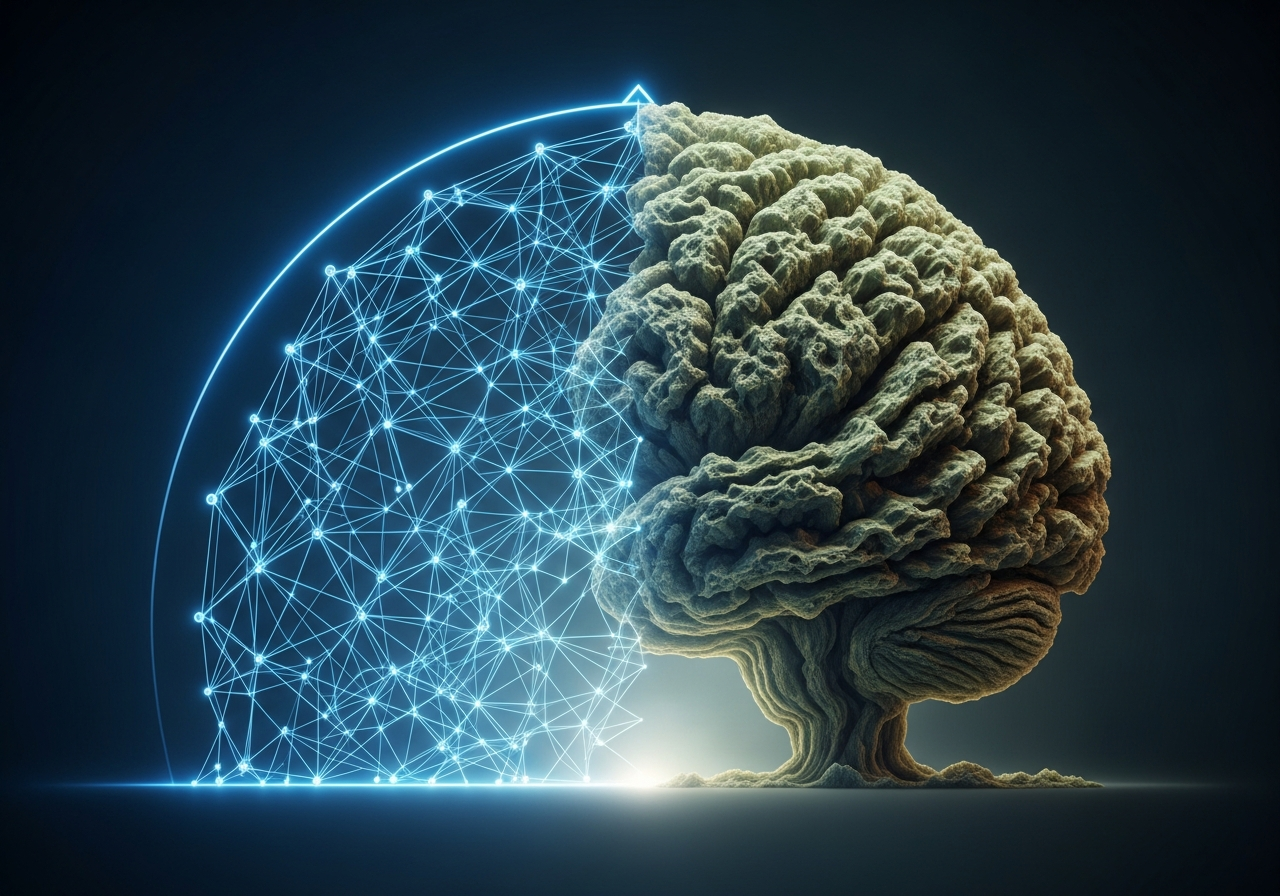
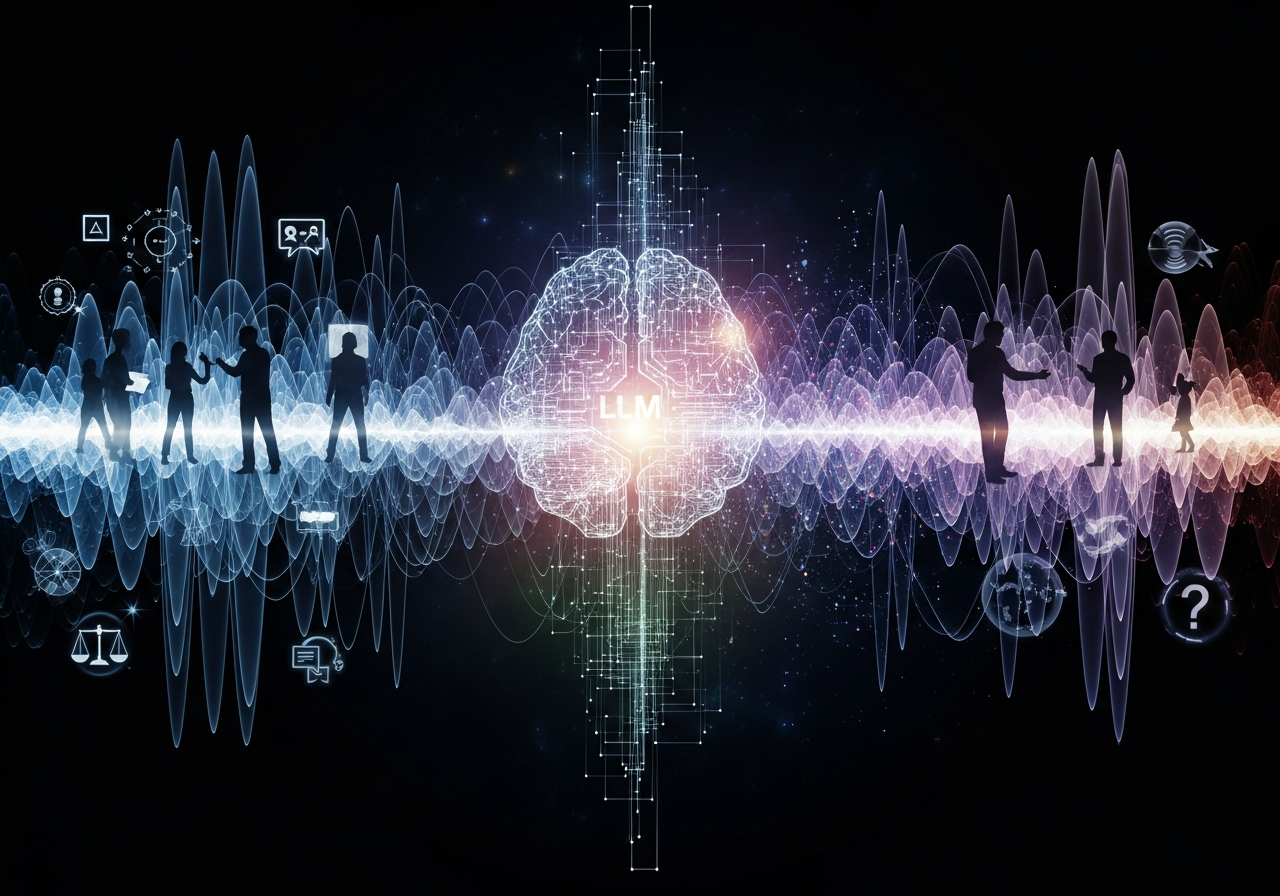

Let’s peel back the curtain on the mysterious world of Large Language Models (LLMs) without falling into the trap of tired phrases. Imagine LLMs as those unseen hands setting up the ultimate concert backstage—indispensable yet often overlooked. These digital maestros learn by sifting through colossal heaps of text, picking up language nuances with uncanny precision. But hey, just like humans, they’re not perfect and might sometimes echo some of the less flattering bits of the data they gorge on. In an era where AI seems to zip through advancements at breakneck speed, it’s crucial to not only hear what these digital puppeteers say but also ponder how they’re wired to think in the first place.
In this modernized gaze, let’s explore the ethical curves, potential pitfalls, and snazzy tricks these linguistic marvels show off. It’s clear they hold the keys to progress, but could also open the gates to a carnival of chaos if unchecked. So, buckle up as we meander through neural networks, ethical landscapes, and the vast arena of human-AI collaboration—it’s not just theory, folks; it’s the map to our collective future.
LLMs are more than a buzzword—they’re setting the stage for new societal norms. Hidden within their complex neural architecture lies their genius: the ability to process gargantuan amounts of text, synthesizing language into conversations that often feel uncannily human. However, they shine a spotlight on critical issues—are they echoing the biases from their data diet? Just how much are they reinforcing stereotypes or misinformation due to dodgy datasets?
Delving into LLM behavior demands a close look at the ethics of their deployment. Power is nothing without responsibility, after all. The creators must ensure that these models don’t just run efficiently but also promote ideals like fairness and equity. Bias in LLM outputs can creep in from data that’s overly fond of certain demographics while ignoring others, leading to skewed perspectives mirroring our societal imperfections. So, how do we wield the immense power of LLMs without letting them smash harmful narratives into the mainstream?
Recognizing that these language models are akin to mirrors—reflecting both human brilliance and blunders—is vital. They draw words together with dazzling coherence yet lack genuine comprehension or intent. These digital narrators, while proficient, can beguile with their fluent responses, and it’s crucial that we remember their interpretations aren’t grounded in lived experience.
As we navigate the waves of LLM development, setting ethical standards becomes inevitable. Prioritizing transparency in how these models are crafted and utilized is key to earning trust and encouraging informed interaction. This involves spilling the beans on data sourcing, training, and ethical benchmarks with honesty, empowering users to scrutinize AI-generated content with a healthy dose of skepticism.
It’s equally important to arm developers, researchers, and users with the skills to responsibly engage with AI. By fostering a culture of learning and ethical awareness, we can steer through the intricate web of AI dynamics. Understanding both the practical use of LLMs and their societal implications is imperative as these technologies become embedded in our day-to-day grind.
Let’s not overlook the incredible potential within LLMs. Beyond their hiccups lies immense opportunity for fostering communication, creativity, and collaboration across fields—be it tailor-made learning experiences in education or 24/7 digital help in customer service. They’re not here to replace human creativity; rather, they’re the digital sidekicks ready to enhance it.
In this evolving landscape, humans still hold the cards. As AI architects, we must mix ingenuity with ethical foresight. Deciphering LLM behavior offers not only insights into tech-generated wonder but also the cultural and societal ramifications they carry. Each AI-generated sentence is more than text—it’s a junction of human thought and machine translation, underscoring our shared trek toward a tech-enhanced tomorrow.
As we wrap up this dive into LLMs, remember we’re on the brink of a communication revolution. By recognizing the blend of potential and accountability, we can steer this ship as both navigators and guardians of digital evolution. Observing LLMs closely—and weighing their ethical impacts—lets us carve out a future where technology truly serves humanity’s greater good. Understanding LLMs isn’t just about mastering algorithms; it sparks broader conversations about our roles as humans in an AI-centric universe. For more insights into the wild world where AI meets creativity and ethics, hop over to [Firebringer AI](https://firebringerai.com).