
Welcome to the mind-bending realm of Embodied Cognition, where thoughts and feelings don’t sit idly in your noggin—they’re doing the cha-cha across your entire being, making you rethink everything you’ve ever known about consciousness. This isn’t just some abstract brain party. No, we’re talking about your body getting a VIP pass to the whole shebang, playing an active role in the narrative of your thoughts and feelings.
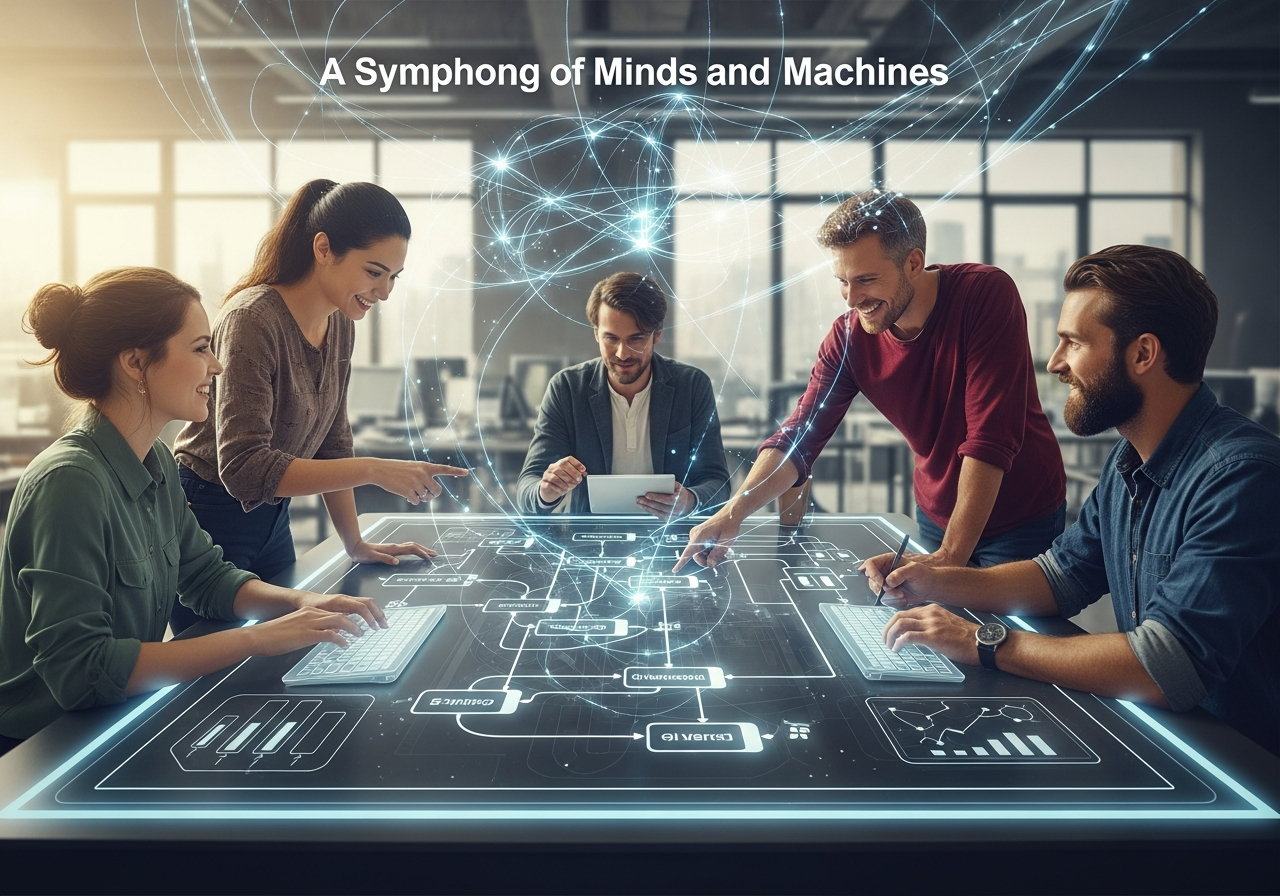
Imagine your brain as a slightly stressed-out conductor, trying to manage the wild symphony of life, pulling notes from every twitch and touch. Scientists are shouting from the rooftops: your body isn’t just a parked car your brain uses for road trips. Nah, it’s more like a roller coaster that keeps the thrills rolling, influencing everything from your emotional highs to your learning curves.
This whole Embodied Cognition spiel flips traditional cognitive science on its head, insisting that bodily experiences are key to real understanding. Forget about just headspace; we’re talking full-body engagement here. Remember those “aha!” moments that came during a jog or while fiddling with something? It’s not a coincidence. Physical movement can kick-start creative thinking, suggesting that maybe the secret to cracking tough problems lies in a little footwork—or a good old wander.
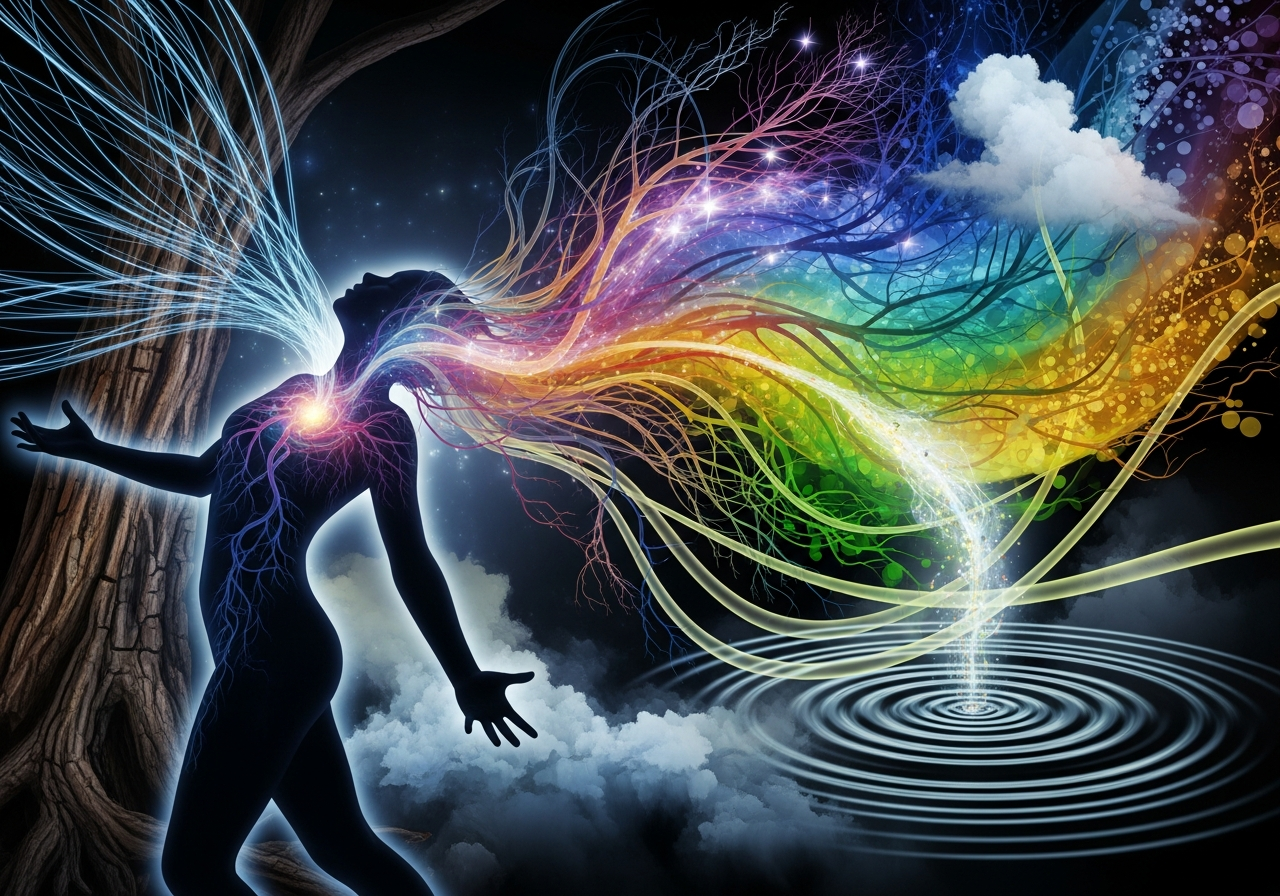
Sensory experiences aren’t just annoying obstacles to dodge—they’re the fabric of our consciousness. That sunshine on your face or that object’s nubby texture in your hand? Those sensations are busybuilding your mental reality, one touch at a time. Every move we make and breath we take (cue The Police) intricately weaves into the tapestry of our awareness.
And let’s not forget about how this all plays into mental health. Move aside, Couch Therapy—it’s time for body-focused approaches like yoga and mindfulness to take center stage. By tuning into body sensations, we can better navigate emotions and bolster resilience. It’s about time we let the physical do some of the healing heavy lifting alongside our brains.
The educational system, often guilty of turning students into regurgitators rather than thinkers, could also learn a thing or two from Embodied Cognition. By inviting movement and sensory experiences into learning, knowledge sticks like a catchy song, not a fleeting jingle.
With ancient philosophies hinting at this connection for eons, modern science is now backing it up with research. These insights show that consciousness isn’t just a grey-matter endeavor but a whole-body gig.
So, here’s the deal: your body’s not just a bystander in the saga of your mind; it’s the lead actor. As we stand on the brink of revolution, it’s time to acknowledge the dance between thought and touch, style and substance. Let’s own our reality and rewrite the script of existence with every move.
Eager to unlock more mind-blown moments with Embodied Cognition’s game-changing insights? Check out https://firebringerai.com, where humor meets science with a side of attitude.