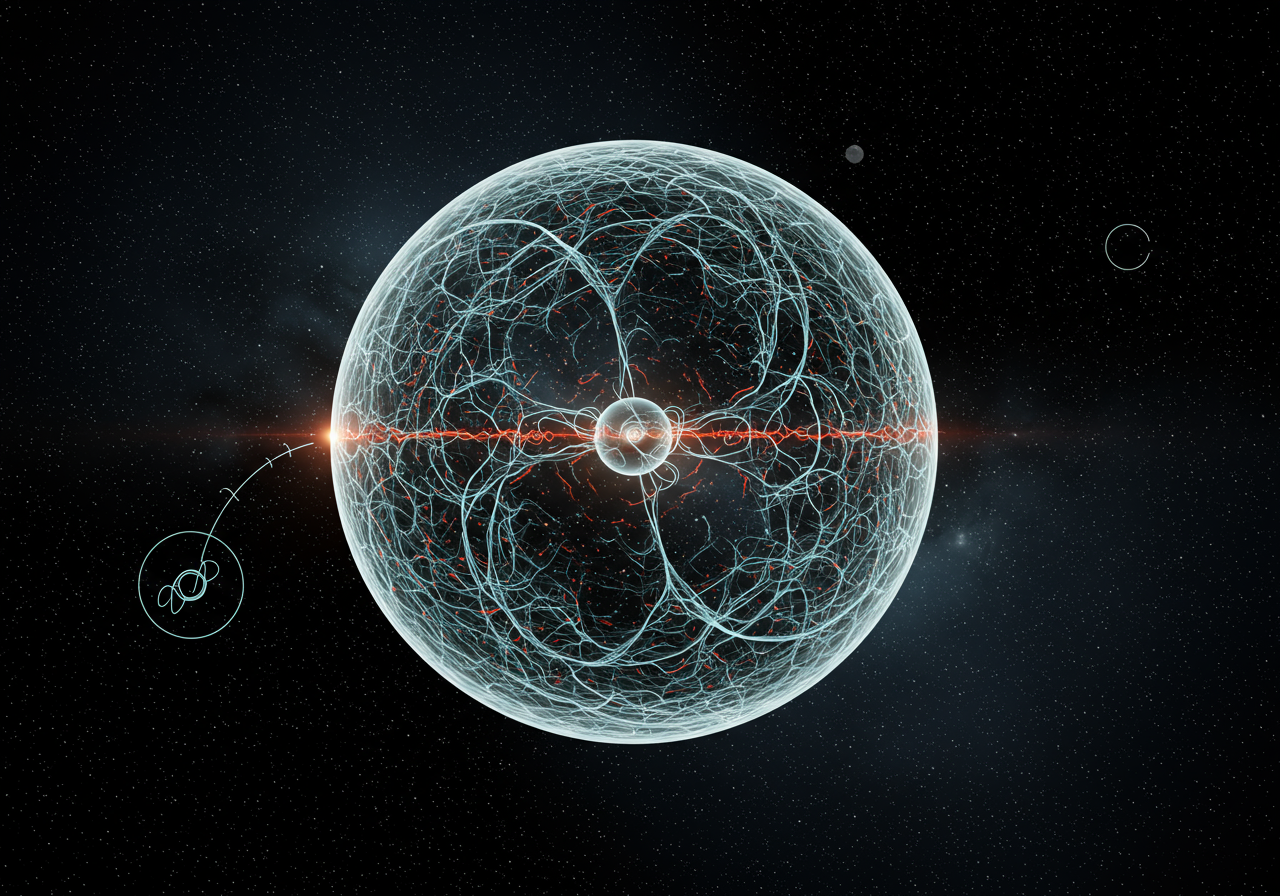


Exploring the Scanning Tunneling Microscope (STM) is like stepping into a new dimension of reality. Imagine, for a moment, being able to perceive the atomic structures that compose everything around us—not as distant theories but as tangible details. The STM merges imagination with scientific reality, offering a window into the atomic world that once seemed beyond reach.
The heart of this exploration is a principle known as quantum tunneling. Think of quantum tunneling as a curious phenomenon where particles bypass barriers as easily as ghosts walking through walls. The STM uses a needle-like metal tip that interacts with atoms by maintaining a hair’s breadth distance, generating an electron current that maps the atomic landscape. It’s like having a conversation with the unseen forces shaping our world, where atoms reveal their hidden landscapes.
Why does this matter? Consider the potential in understanding high-temperature superconductors or crafting cutting-edge materials. Every STM image brings engineers and scientists a step closer to revolutionary breakthroughs, whether it’s in energy efficiency or electronics. By capturing not just structures but real-time atomic motion, STM transforms these atoms into active, dynamic participants in a larger cosmic narrative.
The STM extends its reach into biological science, too. By examining molecules at an atomic level, we uncover how proteins work together, potentially leading to innovations in medicine. Imagine dissecting a complex symphony of molecular interactions and using that knowledge to advance health and biotechnology.
But as thrilling as these advancements are, STM’s sensitivity and need for precision can’t be overstated. Researchers must ensure optimal conditions—shielding from heat, vibration, and interference—to allow this delicate dance to unfold smoothly. It’s akin to listening to an orchestra where even the smallest mistake could disrupt the harmony.
The STM not only pushes technology’s boundaries but also prompts us to ponder deeper philosophical questions about our interaction with the fundamental aspects of life. With this profound insight comes a great responsibility to use it ethically and mindfully.
Ultimately, the Scanning Tunneling Microscope reshapes our understanding of the universe. It invites us to engage intimately with the very fabric of matter, reminding us of our role as both spectators and participants in this cosmic play. As we navigate this newfound knowledge, we are compelled to remain vigilant of its impact on our future—paving the way for advances that could redefine our interaction with the world.