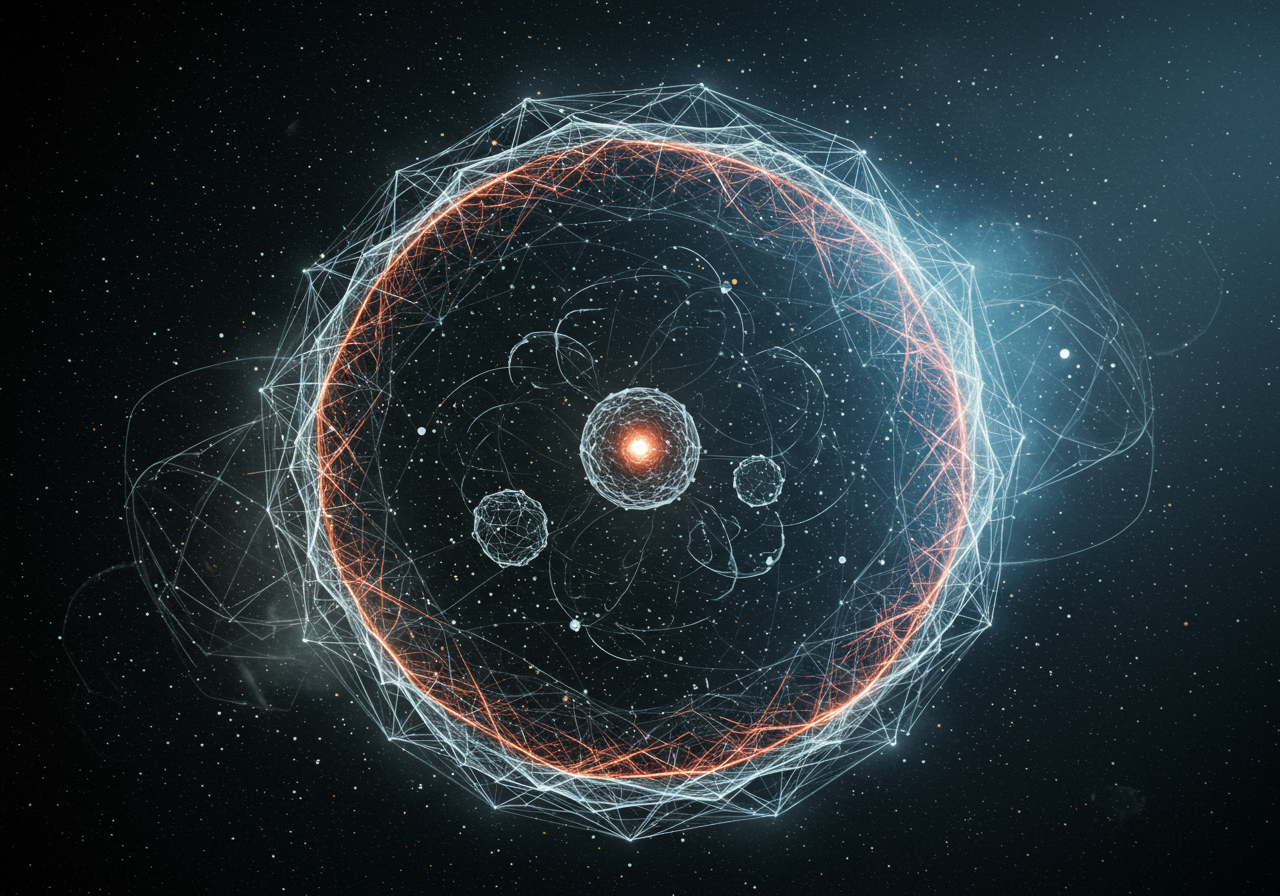
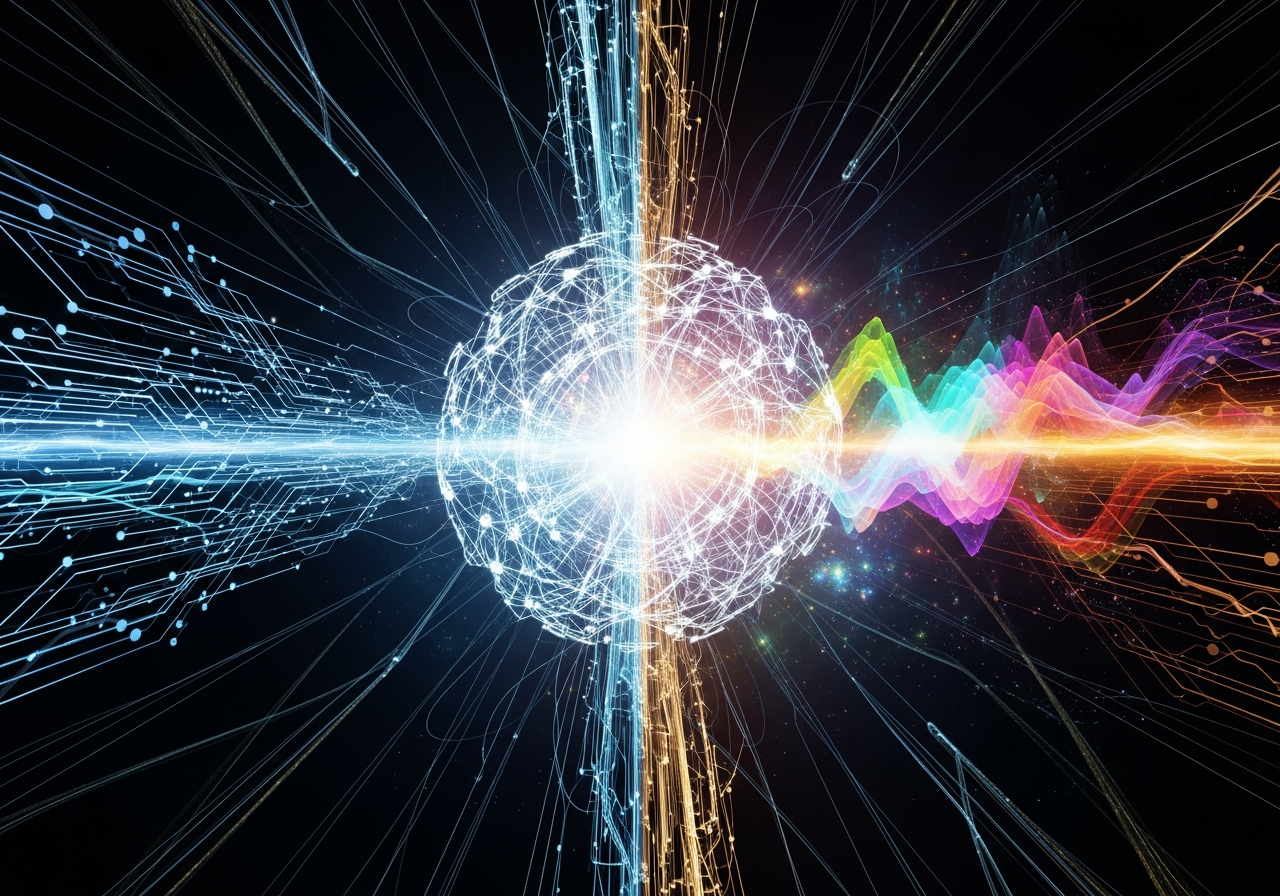

Picture a world where light, that steadfast mover, stands still as if frozen in time. This isn’t a page out of science fiction, but rather the focus of pioneering research into “Stopped Light” and “Complete Light Immobilization.” With the delicate dance of quantum mechanics guiding them, scientists are exploring how to momentarily pause light’s journey.
Central to this exploration is the principle of photonic coherence. This technique involves controlling how light interacts with matter, allowing it to momentarily halt while maintaining its inherent qualities. To achieve this, researchers use a method known as electromagnetically induced transparency (EIT). Through EIT, materials like gases are transformed into light-absorbing sponges that can temporarily hold photons in place.
Why does this matter? The implications stretch across fields from computing to art. Imagine quantum computers using stored light to process data at unprecedented speeds. Art installations could captivate audiences with light suspended in mid-air, creating displays that shift as viewers move.
Beyond these applications, this technology could revolutionize communication. Consider a future where holographic networks use stopped light to transfer data seamlessly, eliminating latency and enhancing connectivity across vast distances. In medicine, light could become a tool for precise treatments, delivering energy exactly when needed.
Yet, with great innovation comes responsibility. Navigating ethical considerations is crucial to ensure that such powerful technology is used positively, fostering creativity and connection rather than misapplication.
As we inch closer to mastering this domain, we’re not just expanding scientific boundaries; we’re redefining what light itself can be. This is a journey brimming with both promise and challenge, urging us forward into a brighter future where the possibilities of light are endless.
For further exploration into groundbreaking technologies, check out [Firebringer AI](https://firebringerai.com).