
“What Role Do Microtubules Play in Consciousness and Cellular Harmony?”
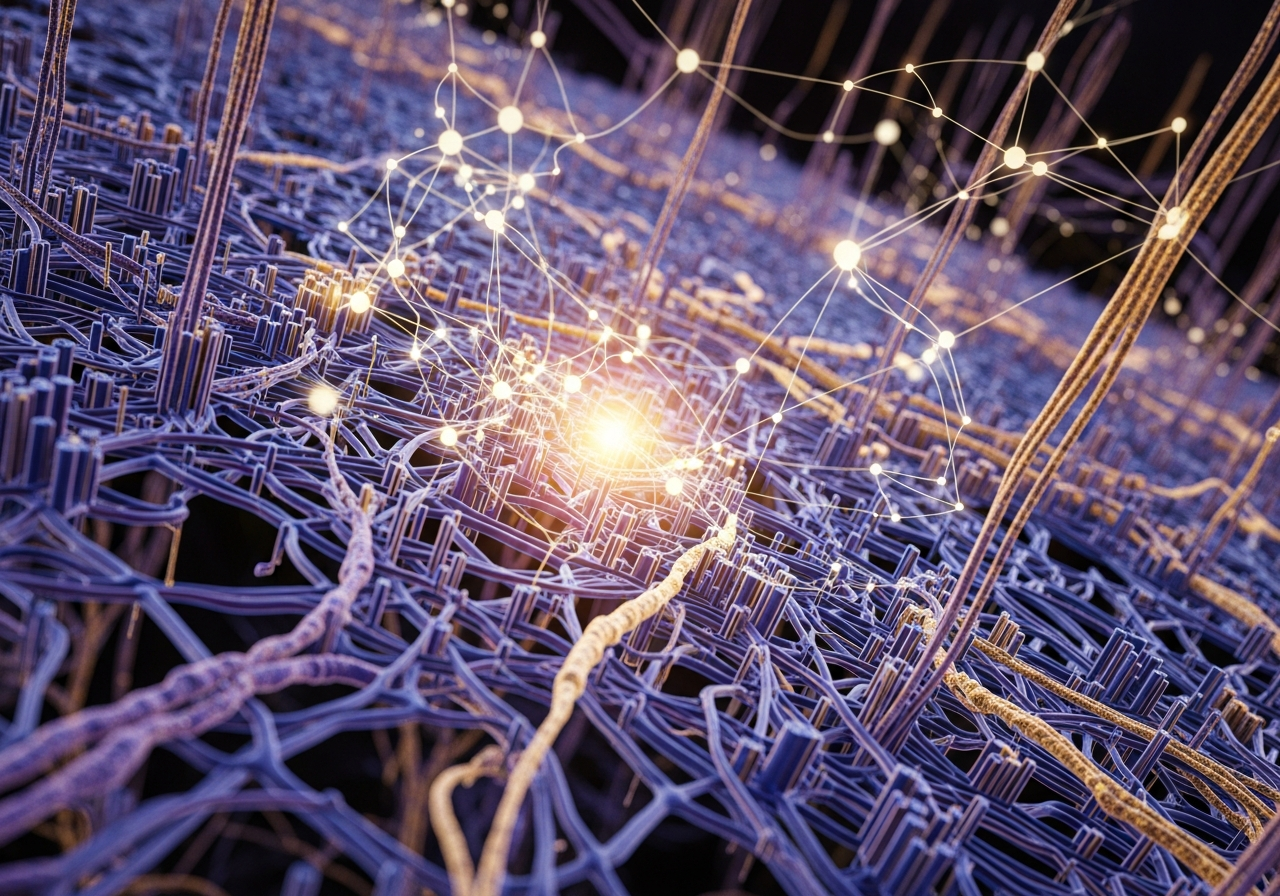
Microtubules, often viewed as mere cellular scaffolding, are revealing their role in a much grander symphony within our cells. These tiny structures, constructed from tubulin proteins, function much like the dynamic steel beams of a skyscraper, providing not just support, but facilitating communication and coherence across the cellular landscape. Their ability to maintain coherence—where cellular components oscillate in sync—creates a harmonious internal environment that might extend to how our minds function.
Recent research has started to peel back layers, suggesting that when microtubules vibrate in unison, they don’t just promote structural integrity but may also align cellular signals, creating a coordinated response that parallels the rhythm of a well-synchronized orchestra. It’s a tantalizing thought to consider that these microtubules might influence not only our cellular processes but also play a pivotal role in the realm of thought and consciousness.
Imagine your brain not just as a data processor, but as an elegant conductor using microtubules to interpret and convey quantum information. In this scenario, our consciousness could reflect a deeper coherence, far beyond the isolated firing of neurons. The very thought suggests new potential for understanding cognitive processes and even approaching treatments for mental health disorders differently. If disturbances in microtubule harmony could lead to cognitive impairments, then perhaps nurturing or restoring this coherence might offer new therapeutic avenues.
As these discoveries unfold, we’re exploring a future where microtubules bridge the material and the ethereal, shaping our experiences. They become less the silent architects of cellular form and more the active players in the dance of life—guiding us toward deeper comprehension of consciousness and existence itself. This exploration intersects intriguingly with technology’s transformative potential, providing fertile ground for new insights and innovations in cognitive enhancement and mental health.
Leave a Reply