
“What Is the Future of Light Immobilization and Its Impact on Technology?”
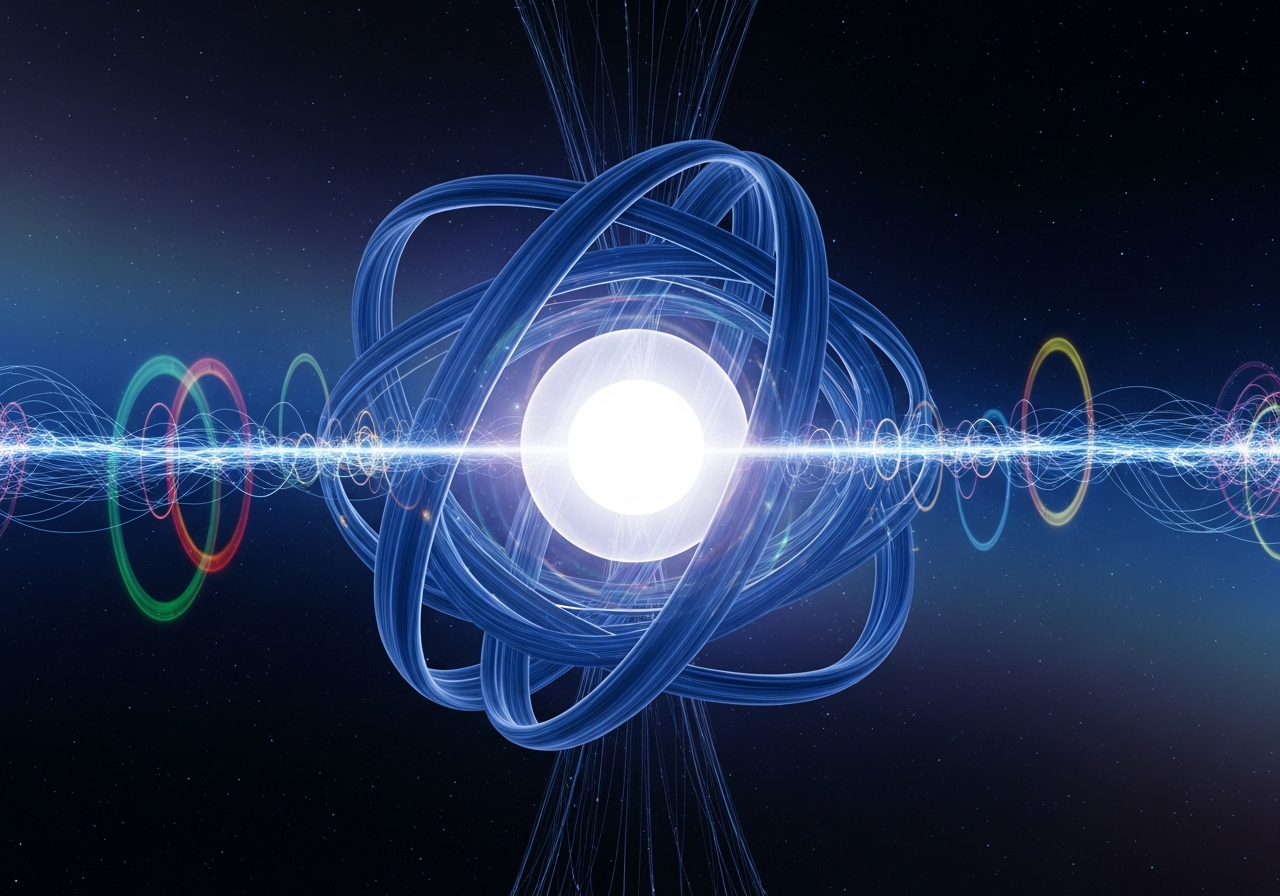
Have you ever thought about hitting the pause button on light itself? It sounds like science fiction, but researchers are turning this idea into a reality by finding ways to stop light in its tracks. Imagine having the ability to capture the radiance of sunlight, storing it like you would store a song on your phone, and then releasing it whenever you need that burst of brilliance.
The notion of halting light might once have seemed as elusive as catching the wind in your hands. But through the wonders of quantum mechanics, scientists are discovering methods to slow and even store light. One such breakthrough involves ‘electromagnetically induced transparency,’ where light dances through materials in unexpected ways, allowing us to harness it more effectively.
Let’s think about the practicalities. If we could store sunlight during the day and release it at night, the potential for energy efficiency would be tremendous. Our homes might never go dark, regardless of the hour. But it’s not just about keeping the lights on; it’s about enhancing how we communicate and interact with the world around us. From improving the speed of our wireless networks to crafting richer visual experiences, the applications are exciting and vast.
Beyond the immediate benefits, there’s something deeply philosophical about this pursuit. It invites us to reflect on our quest to capture fleeting beauty in a world that is always changing. It makes us consider what it means to hold onto light—a universal symbol of knowledge and life.
The journey of exploring light’s potential is a testament to human curiosity and ingenuity. It marries the awe of discovery with the tangible benefits of technological progress. And as we embrace these innovations, we’re reminded that the playful dance with the universe is as much about enjoying the journey as it is about reaching any destination.
So, as we stand on the brink of this light-immobilization era, let’s be amazed at how far we’ve come… and imagine where we might go next.
Leave a Reply